

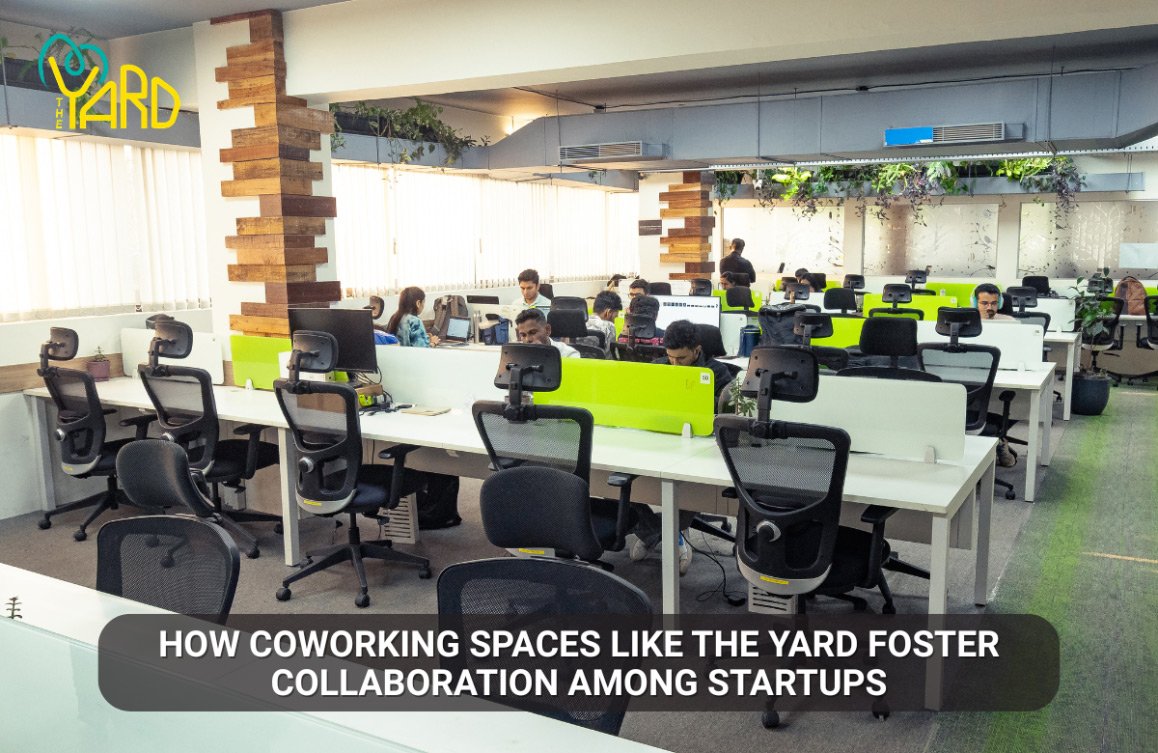
How Coworking Spaces Like The Yard Foster Collaboration Among Startups (And Why It Matters for Growth)
Why Collaboration is the Real Currency for Startups
Why do some startups grow faster despite having fewer resources? The answer often lies in how effectively they collaborate. In today’s fast-moving business world, it is not just funding or talent that leads to success, but the ability to connect, share, and build together. This is exactly where coworking spaces encourage collaboration among startups by creating spaces made for interaction rather than isolation.
Traditionally, startups operated in closed offices or worked remotely, which limited their exposure to diverse ideas and opportunities. Today, the shift toward a shared workspace model is reshaping the startup ecosystem. These spaces bring together founders, freelancers, and teams under one roof, encouraging innovation, networking, and natural idea exchange.
This article explores how coworking spaces foster collaboration among startups, breaking down the real mechanisms behind it and why it has become a key driver of modern startup growth.
Why Collaboration is Critical for Startup Growth
Startups work in environments where speed, adaptability, and innovation are essential. Unlike large organizations with established systems, startups often rely on external inputs and dynamic thinking to solve problems. This is why collaboration is not optional but essential.
When coworking spaces foster collaboration among startups, they create opportunities for idea exchange that can directly influence product development and strategy. Agile teams benefit from being able to brainstorm, test, and improve quickly with input from people outside their immediate circle.
Collaboration also makes it easier to share resources. A startup may not have in-house expertise for every function, but through working with different skill groups, they can access knowledge from designers, developers, or marketers within the same environment. This reduces costs while improving quality of work.
For example, many early-stage startups accelerate product launches by partnering with other teams for complementary skills. This kind of collaboration is far more accessible in shared workspaces than in isolated setups.
How Coworking Spaces Naturally Enable Collaboration
Open & Flexible Workspace Design
One of the most ignored factors of collaboration is the workspace setup. A strong collaborative workspace design removes barriers that typically reduce interaction. Open desks, breakout zones, and shared lounges create natural opportunities for conversation.
These spatial design features are not just aesthetic choices. They are purposeful interaction zones where informal meetings happen without planning. A simple coffee break can turn into a discussion that sparks a new idea or solves a persistent challenge.
For instance, a founder working on a product issue might casually mention it in a lounge area, only to receive valuable input from someone with relevant experience. These spontaneous conversations rarely happen in regular offices.
Community-Driven Culture (Not Just Shared Space)
A coworking space is not just about desks and Wi-Fi. What truly makes it effective is the coworking community built around it. Unlike conventional offices, these spaces work as community-led workspaces where collaboration is encouraged, not forced.
This creates a strong sense of belonging. When people feel part of a peer network, they are more likely to share ideas, ask questions, and support each other. Over time, this builds a collaborative culture where knowledge flows naturally.
The difference is subtle but important. In a typical office, interaction is limited to team members. In a coworking environment, the community becomes an extended network, increasing exposure to new perspectives
Events, Workshops & Networking Opportunities
Another key reason coworking spaces foster collaboration among startups is the presence of structured networking events in coworking spaces. These events help create meaningful connections.
Workshops, industry meetups, demo days, and pitch sessions create opportunities for skill-sharing and startup networking. Instead of waiting for collaboration to happen organically, these planned activities bring people together with shared interests.
For example, a workshop on digital marketing may connect a SaaS startup with a marketing consultant, leading to a long-term collaboration. These interactions often turn into partnerships, mentorships, or even client relationships.
Real Ways Startups Collaborate Inside Coworking Spaces
Cross-Industry Idea Exchange
One of the biggest advantages of coworking is exposure to diverse industries. This collaboration across different fields allows startups to think beyond their niche.
A fintech startup, for instance, may gain insights from a design agency on improving user experience. This kind of knowledge sharing leads to more new ideas and stronger products.
Partnerships & Business Opportunities
Coworking spaces often become informal marketplaces for collaboration. Startups find clients, collaborators, and service providers within the same environment.
A common scenario involves a marketing agency collaborating with a SaaS startup to handle branding and outreach. This kind of startup partnership coworking dynamic reduces the need for looking outside and builds trust faster.
These partnerships are not just convenient. They are often more well-matched because they emerge from real interactions rather than cold outreach.
Peer Learning & Informal Mentorship
Beyond formal collaborations, coworking spaces support learning from each other. Founders regularly exchange experiences, challenges, and lessons with each other.
This informal mentorship is very helpful for early-stage startups. Learning from someone who has faced similar challenges can save time and prevent costly mistakes.
Being part of a founder network also builds confidence. It creates an environment where asking questions is normal and growth is shared.
The Role of Design, Wellness & Environment in Collaboration
Collaboration is not just about proximity. It is also about mindset. The environment people work in directly influences how they think, interact, and create.
Thoughtful workplace design and productivity go hand in hand. Elements like natural light, open spaces, and focus zones contribute to a balanced work environment. Biophilic design, which incorporates natural elements, can reduce stress and improve clarity.
When individuals feel comfortable and mentally refreshed, they are more open to conversation and collaboration. Calm, well-designed spaces encourage better discussions and more meaningful interactions.
Well-being also plays a role. A workspace that prioritizes wellness ensures that productivity does not come at the cost of burnout. This creates a sustainable approach to collaboration.
Why Startups in India Are Moving Towards Coworking Spaces
India’s startup ecosystem is growing rapidly, especially in urban hubs like Delhi NCR, Bangalore, and Mumbai. With this growth comes the need for flexible and easy to grow work environments.
Coworking spaces in India for startups offer a practical solution. They provide cost flexibility, allowing startups to scale without long-term commitments. At the same time, they offer access to a broader network of professionals.
For Delhi NCR startups, coworking spaces are becoming hubs of innovation. These environments bring together different industries, creating opportunities for collaboration that would otherwise be difficult to access.
The shift is also cultural. Modern professionals value flexibility, community, and meaningful work experiences. Coworking spaces align with these expectations, making them a preferred choice for growing teams.
What Makes a Coworking Space Truly Collaborative (What to Look For)
Choosing the best coworking space for collaboration requires more than comparing prices. Startups should evaluate how well the space supports interaction and growth.
Look for:
- Strong community engagement through events and networking
- Thoughtful workspace design that encourages interaction
- Access to diverse professionals and industries
- Regular workshops and learning opportunities
- A balance between open areas and focus zones
- A culture that promotes inclusivity and idea sharing
- An ecosystem that supports both productivity and well-being
These factors decide whether a space simply hosts people or actively fosters collaboration.
How The Yard Creates a Collaboration-First Ecosystem
The Yard coworking space presents itself as more than just a place to work. It is designed as a community-led ecosystem where collaboration happens naturally.
From thoughtfully designed spaces to a focus on sustainability, The Yard reflects a modern work culture that values both productivity and well-being. The emphasis on community ensures that members are not just working side by side but actively engaging with each other.
By integrating design, community, and purpose, The Yard creates an environment where startups can connect, grow, and collaborate without friction. This approach aligns with the evolving needs of modern professionals who seek flexibility along with meaningful interactions.
FAQs
Coworking spaces foster collaboration among startups by creating shared environments where professionals interact naturally through design, community, and events, leading to idea exchange and partnerships.
Collaboration helps startups innovate faster, solve problems efficiently, and access diverse skills without building large in-house teams.
Yes, coworking spaces offer flexibility, networking opportunities, and access to a wider startup network, which traditional offices often lack.
Startups should look for strong community engagement, flexible design, networking events, and a culture that encourages knowledge sharing.
Yes, coworking spaces in India support startup growth by providing cost-effective infrastructure, access to networks, and collaborative environments in major startup hubs.
Collaboration is No Longer Optional for Startups
In today’s competitive market, collaboration is no longer a luxury for startups. It is a necessity. As coworking spaces foster collaboration among startups, they create environments where ideas flow freely, partnerships form organically, and innovation thrives.
From workspace design to community culture and networking opportunities, every element plays a role in supporting collaboration. For startups looking to grow efficiently, coworking spaces offer more than convenience. They offer connections.
If you are exploring ways to build stronger networks and find new opportunities, choosing the right coworking environment can make all the difference.

Leave a Reply
You must be logged in to post a comment.