


What Are the Different Types of Coworking Spaces? Everything You Need to Know
India’s flexible workspace market has grown beyond the idea of freelancers sharing desks. In 2025, flexible workspace transactions reached 18.6 million sq. ft., compared with 2.2 million sq. ft. in 2017.
That growth has also created more choices. From hot desks and dedicated desks to private offices and managed workspaces, the different types of coworking spaces are suited to different ways of working. The right option depends on how often you work from the space, how much privacy you need, whether you work alone or with a team, and how quickly your needs may change.
Here is a closer look at the major coworking options, how they differ, and what to keep in mind before choosing one.
What Are the Different Types of Coworking Spaces?
The main types of coworking spaces include hot desks, dedicated desks, private cabins or offices, team and managed offices, meeting or day offices, and, as part of the wider flexible-workspace category, virtual offices. Each offers a different mix of flexibility, privacy, consistency and space.
It is also useful to tell the difference between coworking and a flexible workspace. Coworking usually means shared professional environments, while flexible workspace is a broader category that can include private offices, managed offices and other flexible options.
Six Main Types of Coworking Spaces
Hot Desk / Flexible Desk
A hot desk is a workstation that is not reserved for one person, that members can use when they come into the coworking space. Instead of having one permanent desk, you choose an available spot depending on what you need that day.
This option works well for freelancers, solopreneurs and hybrid workers who do not need a workspace every day. Its biggest advantage is flexibility. The drawback is that you may not have the same desk or setup each time you visit.
Dedicated Desk
A dedicated desk gives you a permanent desk within a shared workspace. Unlike a hot desk, your workspace stays reserved for you, making it easier to keep the same setup and routine.
It can be a good fit for professionals who work from a coworking space regularly but do not need a private office. You get a more consistent worspace while still being part of a shared community.
Private Cabin or Private Office
A private cabin or office provides an enclosed workspace in a flexible office environment. It can be useful when privacy, focused work or frequent client conversations are important.
For example, a small startup may want a private office for team discussions and client calls while still using shared meeting rooms, amenities and community spaces.
The important thing is that more privacy is not automatically better. Someone who values flexibility and networking may prefer an open workspace, while a team working with sensitive information may choose a private office.
Team Office / Managed Office
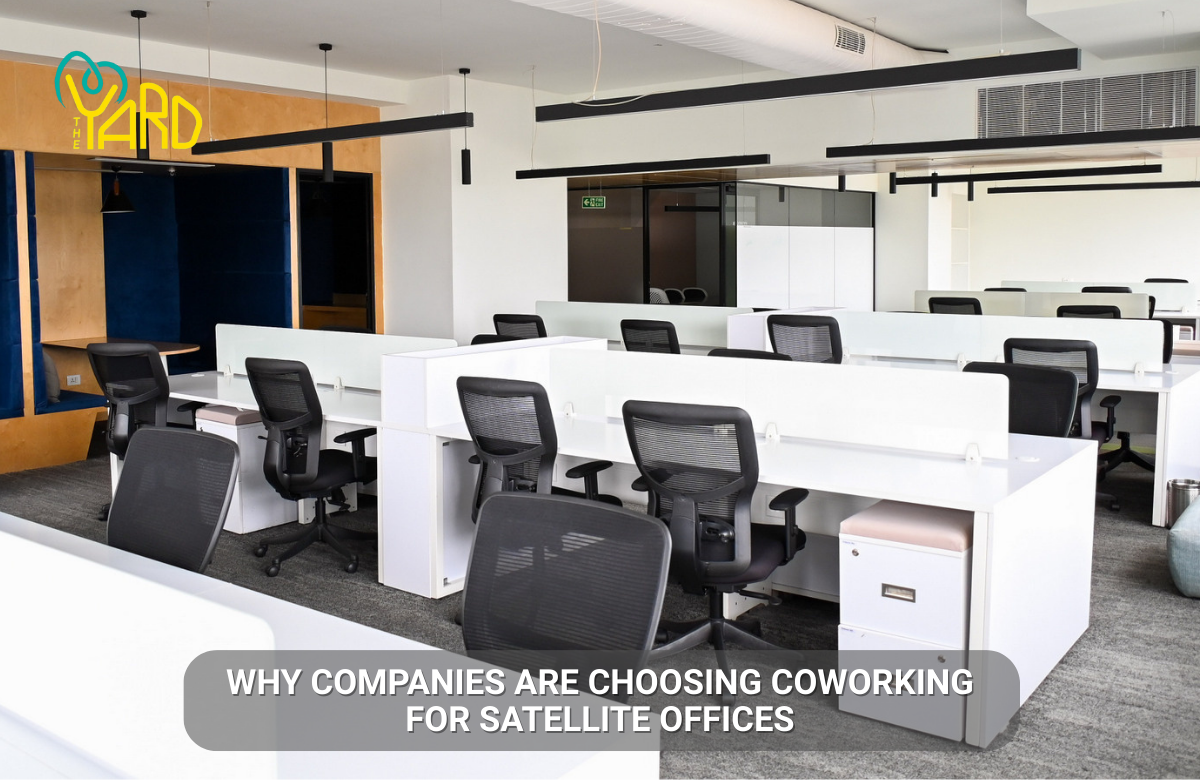
A team office or managed office is designed for businesses that need a more dedicated workspace for a larger team. It can offer private workspace along with shared amenities and day-to-day support, while allowing companies to avoid some of the limits of traditional office leases.
This format has become more relevant in India as flexible workspace becomes more widely used beyond startups. CRISIL expects India’s flexible workspace capacity to grow 16% to 18% over the current and following fiscal years, as demand grows among GCCs, domestic corporates and startups.
Meeting Rooms and Day Offices
Meeting rooms and day offices are short-term workspace options rather than regular coworking memberships. They are useful when you need privacy for a client meeting, interview, workshop, presentation or focused work session.
A remote professional, for instance, might use a flexible desk most days but book a meeting room when an important client call needs a quieter and more professional setting.
Virtual Office
A virtual office is different from a physical coworking desk. It can provide services such as a business address or handling mail without giving you a permanent desk.
It is a part of the broader flexible-office ecosystem rather than being a traditional coworking option. Businesses that mostly work remotely but need a professional business address may find this model useful.
Which Type of Coworking Space Is Right for You?
If You’re a Freelancer or Solopreneur
A hot desk can make sense if you want flexibility, a professional environment and chances to connect with other professionals. A dedicated desk may be more suitable if you work from the space regularly and want the same setup.
If You Work Remotely or Have a Hybrid Schedule
Start with how often you actually need a workspace. Occasional users may value flexible access, while people working from a coworking space several days a week may prefer a dedicated desk. Reliable internet, meeting rooms and quiet areas can be just as important as the desk itself.
If You’re Building a Startup or Small Team
A private cabin or team office can give you the privacy you need for discussions and client work without completely separating the team from the wider coworking community. Also consider whether the space can fit more team members as the business grows.
If Your Team Is Growing
Scalability becomes more important as your team size changes. A flexible office can allow a company to grow or change its workspace without committing to a traditional office setup that may stop working for the team.
If You’re an Established Company
Larger companies may consider options beyond traditional coworking and consider managed or flexible office options. This shows a broader change in India’s market. In 2026, large enterprises made up for 72% of flexible workspace demand across eight major cities, according to Knight Frank data reported by IBEF.
What Should You Look for Beyond the Desk?
The desk is only one part of the workspace experience. Before choosing a coworking space, look at the environment you will actually spend your working day in.
Location and Accessibility
A well-designed workspace may not be useful if getting there takes too much time. Consider your commute, public transport, parking and proximity to clients or team members.
Internet, Power Backup and Work Infrastructure
Reliable internet and power are essential for calls, cloud-based work and daily work. Look beyond a simple Wi-Fi promise and understand what infrastructure you actually get.
Meeting and Collaboration Spaces
If your work involves clients, interviews or team discussions, access to suitable meeting rooms can make your work much easier.
Quiet Areas and Privacy
Good coworking design should support different work modes. Open areas can make it easier to connect, while quiet zones and private rooms allow people to focus when you need to work alone.
Community and Networking
Community should be more than a marketing phrase. Look for spaces where interaction feels natural and where events or shared areas create real opportunities to meet other professionals.
Wellness and Ergonomics
Comfortable seating, natural light,well-designed common areas and opportunities to step away from the desk can help create a more comfortable working environment.
Sustainability and Green Design
For environmentally conscious professionals, consider how the workspace uses energy, materials, waste and green spaces. Sustainability is most meaningful when it is seen in everyday practices rather than used only as a marketing message.
Common Mistakes When Choosing a Coworking Space
Choosing Based Only on Price
The cheapest membership may not be the most cost-effective option if you regularly need meeting rooms, travel long distances or need more privacy.
Choosing More Privacy Than You Need
A private office can be useful, but it may not suit someone who works best with flexibility and community. Choose the level of privacy based on your actual work rather than assuming more is always better.
Ignoring How Often You’ll Actually Use the Space
Think about your real schedule. A daily user and someone who comes in twice a month have very different workspace needs.
Forgetting About Team Growth
If you are building a team, consider what happens when you add people. A workspace that works today may become restrictive within months.
Not Checking What the Membership Actually Includes
Before joining, check access hours, meeting-room policies, storage, printing, internet, additional charges and other included amenities. Comparing memberships only by listed price can give you the wrong impression.
How to Choose the Right Coworking Space in India
Start with five questions:
- How often will you use the workspace?
- How much privacy do you need?
- Are you working alone or with a team?
- How likely is your team to grow or change?
- Which amenities genuinely affect your workday?
Your answers can quickly narrow down the different types of coworking spaces. A flexible desk may suit someone who visits occasionally, while a dedicated desk can work better for regular use. Teams may need private cabins or managed offices, especially when confidentiality and growth are more important.
You should also compare the workspace itself, not just the membership cost. Location, infrastructure, community, design, wellness and flexibility affect your everyday experience more rather than a small difference in monthly cost.
Frequently Asked Questions About Coworking Spaces
What are the main types of coworking spaces?
The main types of coworking spaces include hot desks, dedicated desks, private cabins or offices, team and managed offices, and meeting or day offices. Virtual offices are also part of the wider flexible-workspace ecosystem, although they do not provide a physical coworking desk.
What is the difference between a hot desk and a dedicated desk?
A hot desk is an unassigned workstation that you use when available, while a dedicated desk is reserved for you. Hot desks prioritise flexibility, whereas dedicated desks provide greater consistency for people who use a coworking space regularly.
Which type of coworking space is best for freelancers?
A hot desk is often suitable for freelancers who want flexible access and a professional environment without needing a permanent workstation. Freelancers who work from the space frequently may prefer a dedicated desk for greater consistency.
Which coworking space is best for startups?
A private cabin or team office can work well for startups that need privacy for team discussions and client meetings. Growing startups should also consider whether the workspace can accommodate additional employees without forcing them to relocate.
How do I choose the right coworking space?
Consider your frequency of use, privacy requirements, team size, growth plans, location and essential amenities. Comparing these factors will help you choose between the different types of coworking spaces based on how you actually work.
The right coworking space is ultimately less about choosing the most premium option and more about finding the right balance of flexibility, privacy, productivity and community. Whether you need a flexible desk for independent work or a private environment for a growing team, the best workspace is one that supports both your current needs and where you want your work to go.
If you are looking for a workspace where productivity, community, thoughtful design and wellbeing come together, explore The Yard’s workspace options and find an environment that fits the way you work.
Leave a Reply
You must be logged in to post a comment.