


Coworking for Legal, Finance & Consulting Professionals: What to Look For
A coworking space can have excellent interiors and fast Wi-Fi, yet still be the wrong choice for a lawyer discussing a sensitive case, an accountant reviewing financial records, or a consultant presenting a client’s business strategy.
For legal, finance, and consulting professionals, choosing a workspace involves more than comparing locations and membership prices. Privacy, secure working practices, professional meeting rooms, and reliable infrastructure can directly affect how comfortably and effectively they work with clients.
The right coworking space should support both focused individual work and professional interactions. Whether you are an independent lawyer, a financial advisor, or a management consultant, understanding what to look for can help you find a workspace that fits your responsibilities without committing to a traditional office too soon.
What Legal, Finance and Consulting Professionals Need From a Coworking Space
Although lawyers, finance professionals, and consultants work in different fields, they often share a few workspace requirements: discretion, dependable facilities, and an environment that feels appropriate for client-facing work.
A lawyer may need a quiet space to review case documents before a consultation. An accountant may spend hours analysing financial records, with occasional private meetings with clients. A consultant might alternate between research, video calls, collaborative sessions, and presentations.
These different daily work routines make it important to evaluate a coworking space according to how you actually work. An open desk might be perfectly suitable for research and administrative tasks, while a private cabin or bookable meeting room may be more appropriate for sensitive conversations.
The goal is not to find the workspace with the most amenities. It is to find one that supports your work responsibilities, working habits, and client expectations.

1. Privacy, Confidentiality and Security Should Come First
Privacy deserves particular attention when choosing a coworking space for lawyers, accountants, financial advisors, and consultants. Shared environments can be productive, but they also raise concerns around conversations, documents, devices, and visitor access.
Check Acoustic Privacy and Private Working Areas
A workspace can look private without offering real sound privacy. Glass partitions, open ceilings, thin walls, and busy common areas may allow conversations to carry beyond the room.
Before choosing a space, check whether private cabins and meeting rooms provide enough sound insulation for the work you intend to do. Consider where you will take client calls, discuss sensitive matters, or review confidential documents.
For example, a lawyer who conducts regular client consultations may benefit from an enclosed room where conversations are less likely to be overheard. A consultant who mainly works on reports may be comfortable using a dedicated desk and reserving a private room for important calls.
Ask about room availability, access arrangements, and the level of privacy the facilities can offer. A private cabin can offer greater separation from shared areas, but it should not automatically be treated as completely soundproof.
Evaluate Digital Security and Document Handling
A suitable coworking space should also support good online and physical security. Reliable internet is important, but professionals handling sensitive information should look beyond connection speed.
Ask how Wi-Fi access is controlled, whether shared printers are accessible to other members, and what options are available for storing documents or belongings securely. During calls, use appropriate screen privacy and avoid leaving confidential papers unattended.
Legal and financial professionals should also consider their own professional obligations when deciding whether a shared workspace is appropriate for particular tasks.
A coworking provider’s security measures are only one part of the picture. Your own devices, working practices, how documents are handled, and choice of meeting environment still matter.
2. Meeting Rooms and Client Experience Matter More Than Appearances

For client-facing professionals, the workspace becomes part of the experience they provide. The right setting should make meetings convenient, organised, and comfortable without relying on impressive interiors alone.
Look Beyond the Number of Meeting Rooms
Having several meeting rooms does not necessarily mean you will be able to use one when you need it. Check the booking process, room capacity, availability during busy periods, and whether additional charges apply.
Consider the facilities required for your work. A consultant presenting a strategy may need a display screen and reliable video conferencing. A financial advisor may prioritise a private setting for individual consultations. A lawyer may need a room suitable for discreet discussions.
Reliable internet, comfortable seating, presentation tools, and clear booking rules can make meetings run more smoothly. If you expect to meet clients regularly, check whether the membership includes room access or whether each booking is charged separately.

Consider the Complete Client Visit
Think about the experience from the moment a client arrives. Is the location easy to find? Are visitor arrangements clear? Is there a suitable waiting area? Can clients reach the meeting room without unnecessary confusion?
Accessibility, transport connections, parking where available, and reception services can all influence convenience.
A professional environment does not need to feel formal or intimidating. It should simply be organised, welcoming, and right for the meeting taking place.
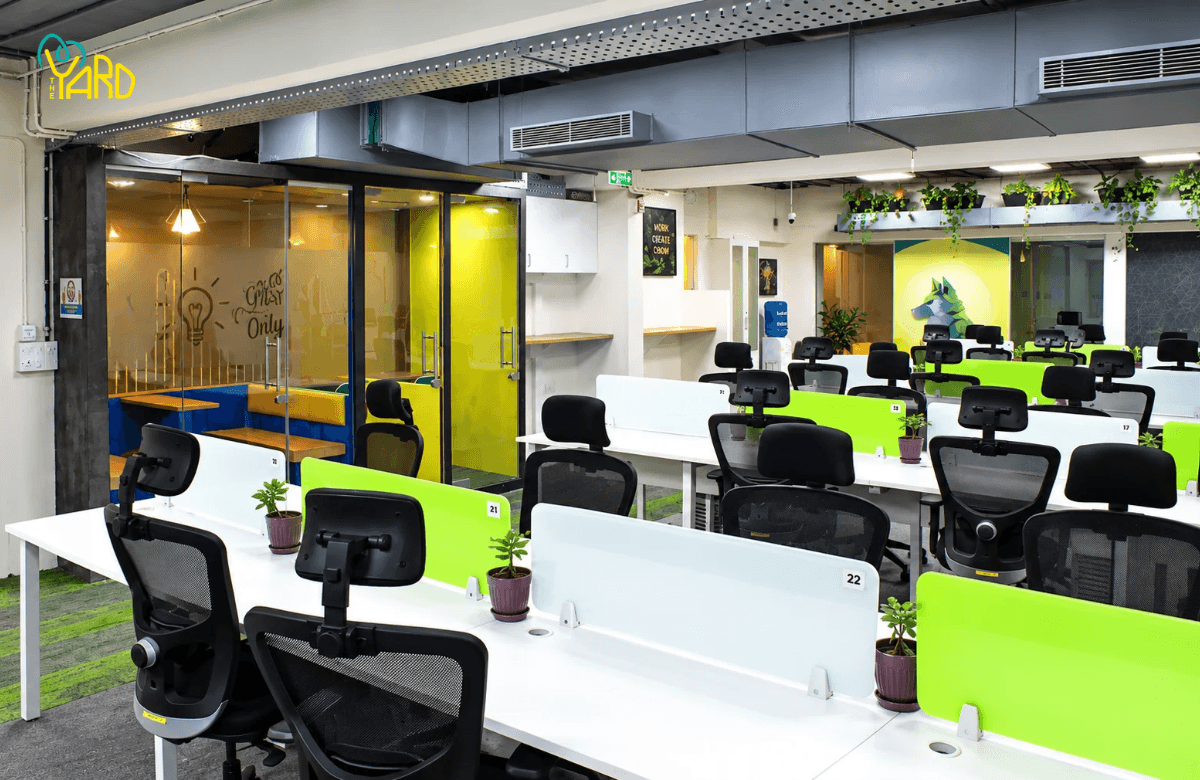
The Yard offers workspaces that include meeting rooms and presentation facilities. Professionals considering its locations should verify room availability, equipment, and membership inclusions before booking.
3. Match the Workspace to Your Profession
The best coworking arrangement depends partly on the type of work you perform. Understanding your specific needs can help you avoid paying for facilities you rarely use or choosing a setup that does not meet your needs.
Coworking for Legal Professionals
Lawyers, independent legal consultants, and small law firms may need a combination of focused working time and private client consultations.
When evaluating coworking for legal professionals, consider the availability of enclosed rooms, the suitability of meeting spaces, and the practical arrangements for handling case documents. Quiet areas can also be valuable for reviewing lengthy files, preparing briefs, and completing paperwork.
For instance, a solo lawyer who works remotely most days may find a flexible desk arrangement useful, with private meeting rooms reserved for scheduled consultations. Someone who meets clients frequently may prefer a private cabin or a dedicated office arrangement.
The key difference is between a space that works for routine client meetings and one that is suitable for sensitive discussions. Check the facilities against your actual requirements rather than assuming every coworking environment will be suitable.
Coworking for Finance and Accounting Professionals
Accountants, Chartered Accountants, financial advisors, and finance consultants may handle tax records, payroll information, investment discussions, and confidential business documents.
A coworking space for finance professionals should support focused analytical work, reliable connectivity, safe document handling, and private conversations where needed.
An independent accountant, for example, might need a quiet desk for preparing reports during the week and a private meeting room for client appointments. A financial advisor may place greater emphasis on discretion during consultations.
Consider whether the workspace allows you to manage documents and devices responsibly, and whether its facilities suit the nature of your services. Specific legal or industry rules should be checked separately rather than assumed to be included by a coworking membership.
Coworking for Consulting Professionals
Management consultants, strategy advisors, and independent business consultants often move between individual research, client calls, presentations, and collaborative work.
A coworking space for consultants should therefore offer a useful balance of focused work areas and professional meeting facilities. Reliable video conferencing, presentation equipment, flexible room booking, and convenient access can be particularly valuable.
Consider a consultant who works independently on most days but occasionally presents recommendations to a client’s leadership team. A dedicated desk may meet everyday needs, while a bookable meeting room provides a more suitable setting for presentations.
Consultants working with different clients may also benefit from flexible arrangements that accommodate changing schedules without requiring a permanently leased office.
4. Choose Between a Hot Desk, Dedicated Desk and Private Cabin
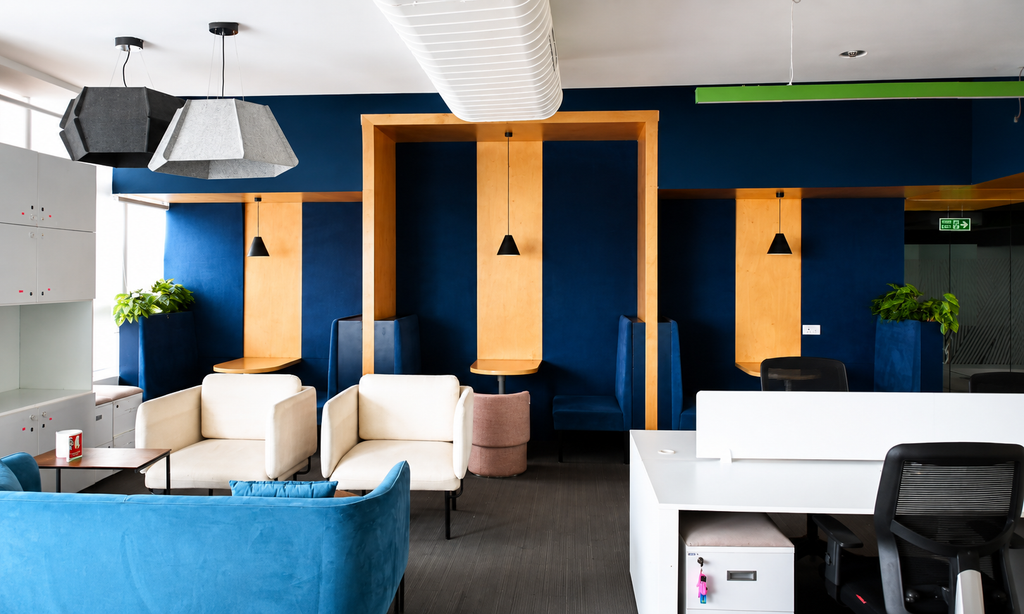
Different workspace options offer different levels of consistency, privacy, and flexibility. The right choice depends on how often you use the space and what you need to do there.
When a Hot Desk Is Enough
A hot desk provides access to a shared workstation rather than a permanently assigned seat. It can suit professionals who use the space occasionally for research, email, administrative work, or everyday tasks.
However, an open desk is not ideal for every conversation. If you regularly handle confidential information or conduct client calls, check whether private rooms are readily available.
When a Dedicated Desk Makes Sense
A dedicated desk provides a consistent workstation and may suit professionals who work from the coworking space regularly. Depending on the membership, it may offer additional convenience or storage options.
It can be a practical middle ground for someone who wants a regular working setup without needing a private office. However, a dedicated desk does not necessarily provide acoustic privacy or a suitable setting for confidential meetings.
When to Consider a Private Cabin
A private cabin may be a better fit for professionals who need an enclosed workspace, more separation from shared areas, or dedicated room for a small team.
Before choosing one, verify the room’s sound separation, access arrangements, included facilities, and total cost. A cabin may provide greater physical separation, but it does not automatically guarantee complete confidentiality or digital security.
5. Compare the Full Cost, Flexibility and Practical Convenience
Look Beyond the Advertised Membership Price
Coworking can be an alternative to renting and running a conventional office, but whether it is more cost-effective depends on how you use the space.
Compare the full monthly cost, including membership fees, meeting-room charges, deposits, taxes, printing, access restrictions, and any minimum membership period. Also check cancellation terms and whether the arrangement can change as your needs evolve.
For example, a consultant who needs a meeting room twice a month may have a different cost structure from a financial advisor who requires private rooms several times a week.
Compare realistic usage rather than assuming coworking is always cheaper than a traditional office.
Check Location, Access and Day-to-Day Convenience
Location matters when you regularly meet clients or travel between appointments. Consider commute time, public transport, parking where available, operating hours, and proximity to the people you work with.
For professionals in Bengaluru, the convenience of a coworking space in Bellandur or Indiranagar will depend on where they live, where their clients are based, and how frequently they need to travel.
The most convenient workspace is not always the one closest to your home. It is the one that fits your working routine and client commitments.
6. Finding a Workspace That Supports Professional Work at The Yard
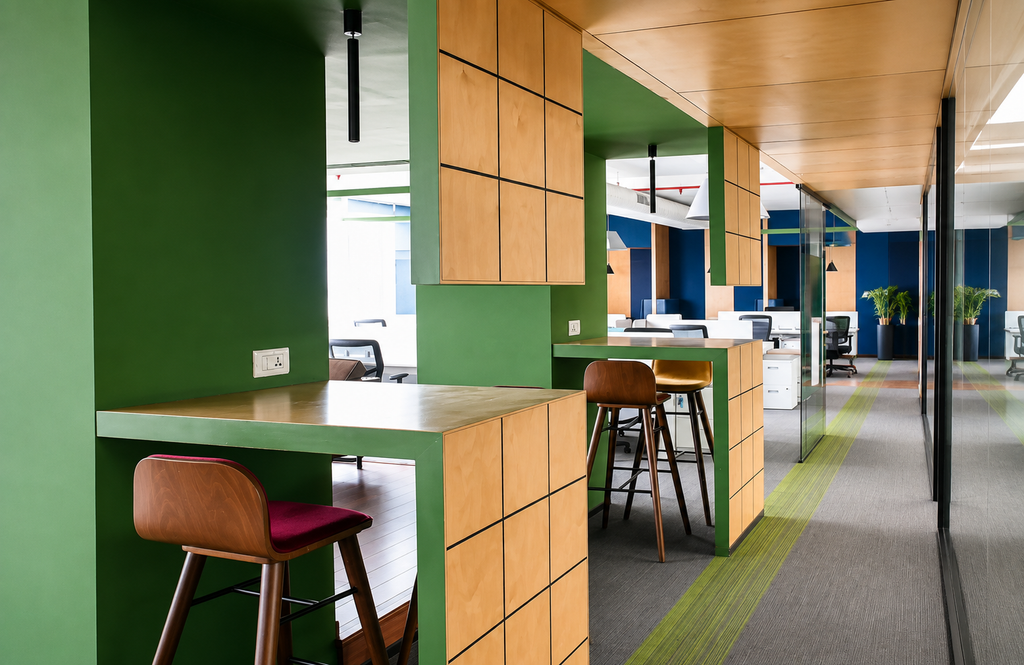
The Yard offers coworking options in Bengaluru, including Bellandur and Indiranagar, with facilities such as private cabins, meeting rooms, and flexible workspace arrangements.
For legal, finance, and consulting professionals, these options may be worth considering depending on their daily work needs. A private cabin may suit someone who needs an enclosed workstation, while meeting rooms can provide a dedicated setting for planned client discussions.
The right choice still depends on your needs.. Check the specific location, membership inclusions, room availability, and privacy arrangements against your requirements before committing.
Explore The Yard’s workspace options to understand the available facilities and determine whether they fit your professional needs.
Frequently Asked Questions
1. Is coworking suitable for lawyers and legal consultants?
Yes, coworking can suit lawyers who need space for research, administrative work, and appropriately private client meetings. The suitability of a particular space depends on its privacy arrangements, document-handling facilities, and whether it meets the lawyer’s professional obligations.
2. Are coworking spaces suitable for financial advisors and accountants?
Coworking spaces can work for accountants and financial advisors who need focused work areas, reliable internet, and suitable rooms for client discussions. Those handling sensitive financial information should also evaluate network security, document handling, and access arrangements.
3. What security features should a professional coworking space have?
Look for managed Wi-Fi access, appropriate visitor controls, secure storage options, responsible handling of shared equipment, and private rooms for sensitive conversations. Verify what the provider actually offers rather than assuming that a coworking membership guarantees confidentiality.
4. Is a private cabin better than a dedicated desk?
A private cabin provides an enclosed workspace and may offer greater separation from shared areas. A dedicated desk provides a consistent workstation but may remain in an open environment. The better option depends on your privacy requirements, meeting frequency, and budget.
5. Is coworking more cost-effective than renting a traditional office?
It can be, particularly for independent professionals and small teams that do not need a permanent office of their own. However, the total cost depends on membership fees, meeting-room usage, additional charges, and the facilities required. Compare the full cost of each arrangement before deciding.
Choose a Workspace That Fits the Work You Do
Choosing coworking for legal, finance and consulting professionals means looking beyond attractive interiors and advertised amenities. Privacy, client meeting facilities, secure working practices, flexibility, and total cost all deserve careful consideration.
The right workspace should support the work you do and the experience you want to provide your clients. By assessing your actual requirements and checking facilities in person, you can make a more informed choice.
If you are exploring options in Bengaluru, consider visiting The Yard to see whether its workspace facilities align with your professional needs.
See how a private cabin or meeting room would fit your practice: view pricing or book a tour at The Yard.
This guide is general information and not legal, tax or professional advice.


Leave a Reply
You must be logged in to post a comment.