

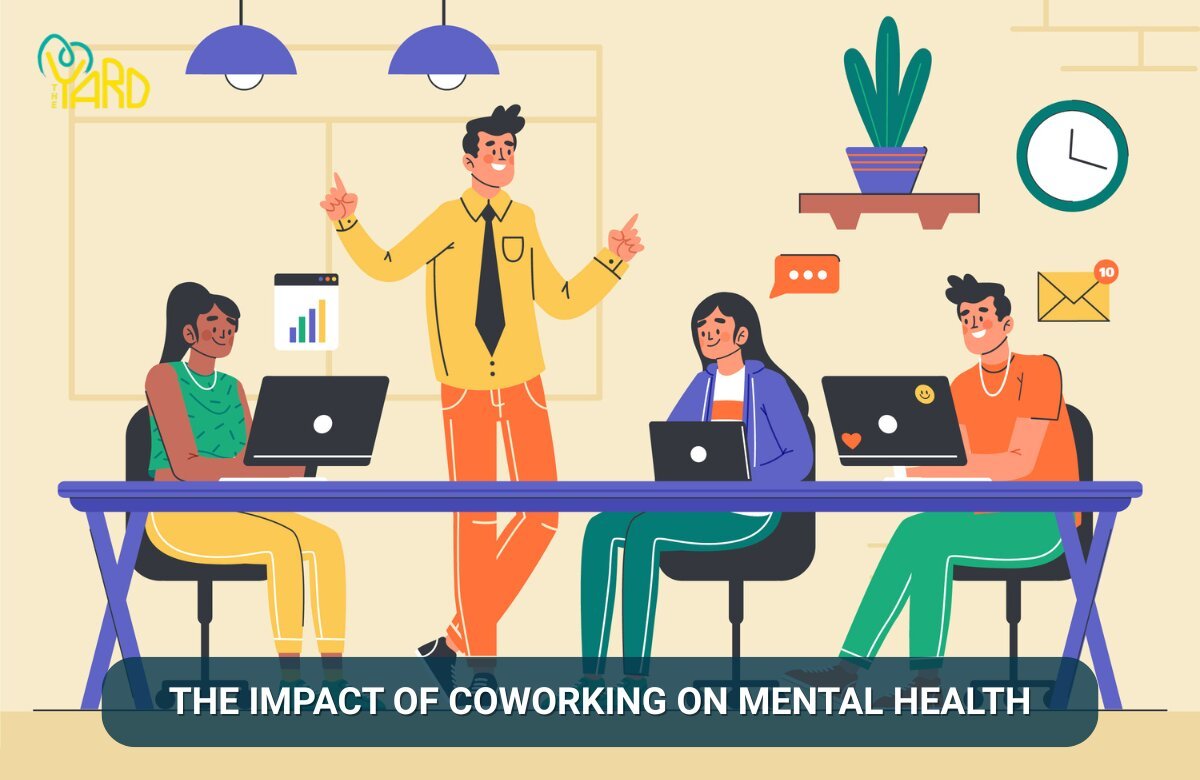
The Impact of Coworking on Mental Health
Introduction
Did you know that a majority of remote professionals report feeling isolated at least once a week, even when they enjoy the flexibility of working from home?
The way we work has changed rapidly, but our mental well-being has not always kept up. While remote work gives flexibility, it often brings challenges like loneliness, lack of structure, and unclear boundaries between personal and professional life. Traditional offices, on the other hand, can feel rigid and stressful.
This is where the impact of coworking on mental health becomes an important conversation. Coworking spaces are emerging as a middle ground, offering flexibility along with community and routine. But do they really improve mental well-being, or is it just a trend?
Why Work Environment Plays a Crucial Role in Mental Health
The Psychology Behind Workspaces
Our work environment does more than just provide a place to sit and get work done. It directly influences how we think, feel, and perform. Studies in workspace psychology suggest that factors like lighting, noise levels, and layout can affect mood, focus, and stress levels.
A cluttered or noisy space increases mental strain, making it harder to focus. On the other hand, a well-designed environment with natural light and comfortable seating can improve mental clarity and productivity.
This is why the connection between workspace impact on mental health is so significant. When the environment supports focus and comfort, it reduces mental tiredness and helps people stay engaged without feeling overwhelmed.
Challenges of Working from Home & Traditional Offices
Working from home initially feels ideal, but over time, many people experience burnout from remote work. The lack of social interaction can lead to feelings of isolation, while the lack of routine often affects productivity.
Traditional offices have a different set of challenges. Long commutes, rigid schedules, and stressful environments can increase stress levels. Employees may feel stuck in repetitive routines with little flexibility.
For example, a freelancer working from home might struggle with loneliness and distractions, while a corporate employee may feel exhausted due to long hours and limited autonomy. Both setups show how the environment is important in mental well-being.
How Coworking Spaces Influence Mental Well-Being
Reducing Isolation Through Community
One of the most important ways coworking spaces and mental health are connected is through community. Humans are naturally social, and even minimal interaction can greatly improve mood and motivation.
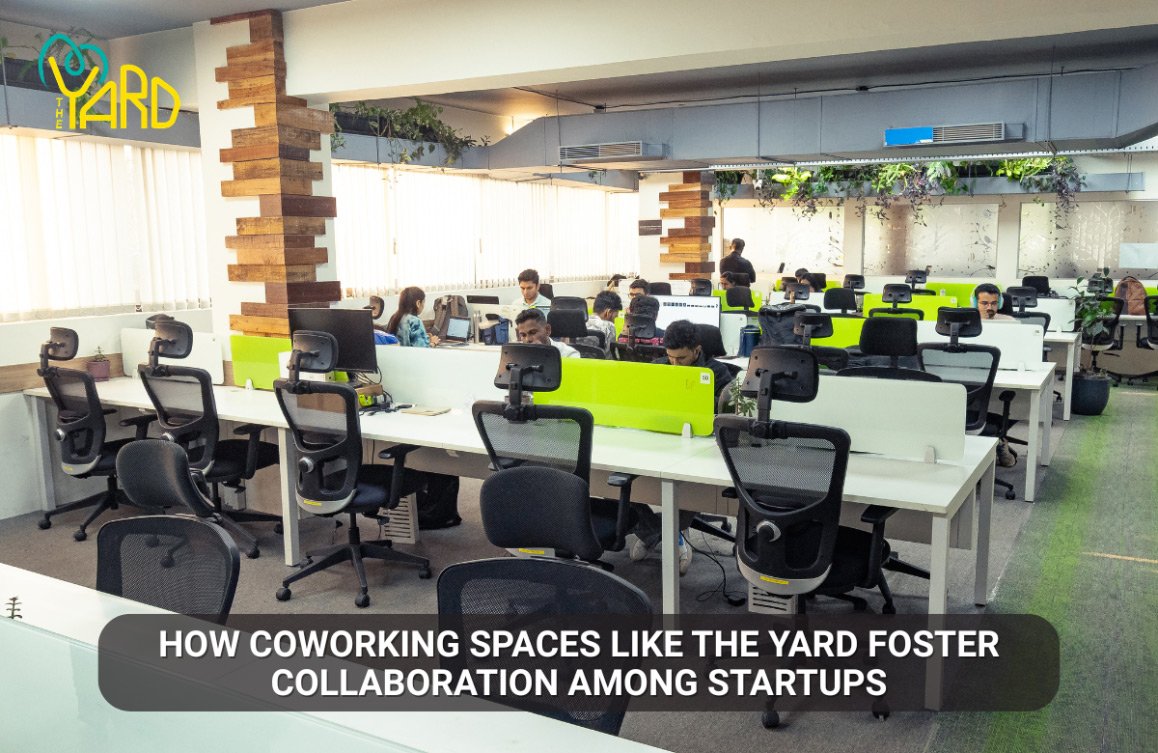
Coworking spaces create opportunities for natural conversations, collaboration, and meeting new people. This sense of belonging helps reduce loneliness, especially for freelancers and remote workers who often work in isolation.
For instance, someone who spends weeks working alone at home may find fresh energy simply by being around others who are equally focused and motivated.
Improving Productivity Without Burnout
Coworking spaces provide a structured environment without the rigidity of traditional offices. This balance allows people to stay productive while avoiding burnout.
Having a dedicated workspace helps separate professional and personal life. This clear distinction improves focus and reduces the mental pressure of constantly switching between roles at home.
Research also shows that working in a shared environment can increase accountability. When people are surrounded by others who are working, it naturally encourages productivity and mental clarity.
Flexibility That Supports Work-Life Balance
Flexibility is one of the biggest benefits of coworking spaces. Unlike traditional offices, coworking allows individuals to choose when and how they work.
This flexibility supports better work-life balance, which is essential for mental health. People can plan their schedules in a way that suits their energy levels and personal commitments.
In a hybrid work culture, this freedom helps reduce stress and gives people more control over their daily routines.
Role of Workspace Design in Mental Wellness
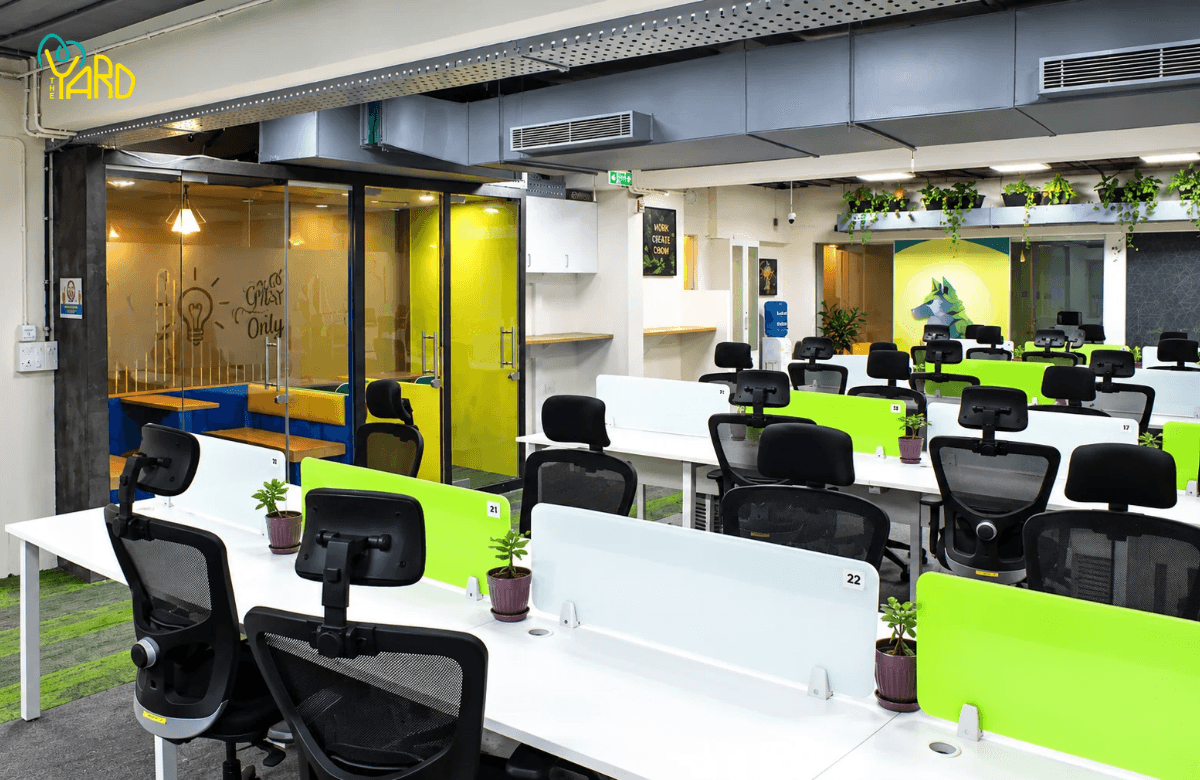
The design of a workspace plays a subtle yet powerful role in mental well-being. Many coworking spaces incorporate elements like natural light, greenery, and ergonomic furniture.
These features are part of what is known as biophilic design, which focuses on integrating nature into indoor spaces. Studies show that such environments can reduce stress, improve mood, and enhance overall well-being.
A well-designed workspace does not just look appealing. It actively contributes to a calmer, more focused state of mind, making work feel less draining and more engaging.
Coworking vs Work From Home vs Traditional Offices (Mental Health Perspective)
When comparing different work setups, each has its own impact on mental health.
- Working from home offers flexibility but often leads to isolation and lack of routine
- Traditional offices provide structure but can increase stress due to rigid systems
Coworking spaces combine flexibility with community, offering a balanced environment
Coworking stands out because it addresses two major mental health challenges at once: loneliness and burnout. By providing both social interaction and autonomy, it creates a more balanced work experience.
Who Benefits the Most from Coworking Spaces?
Coworking spaces are not a one-size-fits-all solution, but they are particularly beneficial for certain groups.
Freelancers often struggle with isolation and inconsistent routines. Coworking gives them a sense of structure and community.
Startups and small teams benefit from collaborative environments where ideas can be exchanged easily. It also reduces the pressure of maintaining a traditional office.
Remote workers, especially those in hybrid roles, find coworking spaces helpful in maintaining productivity without sacrificing flexibility.
Each of these groups shares a common need for connection, focus, and balance, which coworking spaces are designed to provide.
Limitations & Realistic Expectations of Coworking Spaces
While coworking spaces offer many benefits, they are not perfect. It is important to have realistic expectations.
Some individuals may find shared spaces distracting, especially if they require complete silence. Noise and activity levels can vary depending on the space.
Cost can also be a factor. While coworking is often more affordable than traditional offices, it is still an investment.
Additionally, not every coworking space offers the same quality of design, community, or flexibility. Choosing the right space plays a crucial role in determining the overall experience.
How to Choose a Coworking Space That Supports Mental Well-Being
Selecting the right coworking space can make a significant difference in how it impacts your mental health.
Look for spaces that prioritize natural light, comfortable seating, and thoughtful design. These elements directly influence mood and productivity.
Community is equally important. A welcoming and inclusive environment can enhance your sense of belonging and motivation.
Flexibility in plans and access hours is another key factor. It allows you to work according to your schedule without added stress.
Spaces like The Yard, for example, focus on creating a balance between productivity and well-being by combining modern design with a strong sense of community. This kind of environment helps people feel supported, not just accommodated.
The Future of Workspaces & Mental Health
The future of work is more focused on flexibility and well-being. As more organizations adopt hybrid work models, the demand for spaces that support both productivity and mental health will continue to grow.
Coworking spaces are evolving to meet these needs by integrating wellness-focused design, community initiatives, and flexible work options.
This shift shows a better understanding that work is not just about output. It is also about how people feel while doing it.
FAQs
Yes, coworking spaces can improve mental health by reducing isolation, providing structure, and creating opportunities for social interaction.
They offer a shared environment where people can interact, collaborate, and feel part of a community, which helps reduce feelings of isolation.
For many people, coworking is better because it combines flexibility with social interaction, helping maintain both productivity and emotional balance.
Yes, a dedicated workspace and the presence of others working can increase accountability and improve focus.
Freelancers benefit significantly as coworking spaces provide structure, reduce loneliness, and create opportunities for networking and collaboration.
Conclusion
The environment we work in has a profound impact on how we think, feel, and perform. The impact of coworking on mental health highlights the importance of finding a balance between flexibility, structure, and human connection.
Coworking spaces offer a practical solution by addressing common challenges like isolation, burnout, and lack of motivation. While they may not be perfect for everyone, they provide a more balanced and supportive alternative to both remote work and traditional offices.
As work continues to evolve, spaces that prioritize well-being alongside productivity will play an increasingly important role in shaping healthier work experiences.


Leave a Reply
You must be logged in to post a comment.