
Managed Offices vs Serviced Offices: Which Workspace Solution Is Right for Your Business?
Is your business paying for workspace flexibility, or sacrificing it without even realizing it?
As businesses adapt to hybrid work, rapid growth, and changing workforce needs, choosing the right office space has become more important than ever. Traditional leases are no longer the first choice, and flexible workspace solutions are increasingly becoming more popular. Among these, managed offices and serviced offices have emerged as two of the most popular choices.
While both offer convenience and flexibility, they serve different business needs. Understanding the differences can help you make a smarter decision that supports productivity, growth, and workplace experience.
What Are Managed Offices?
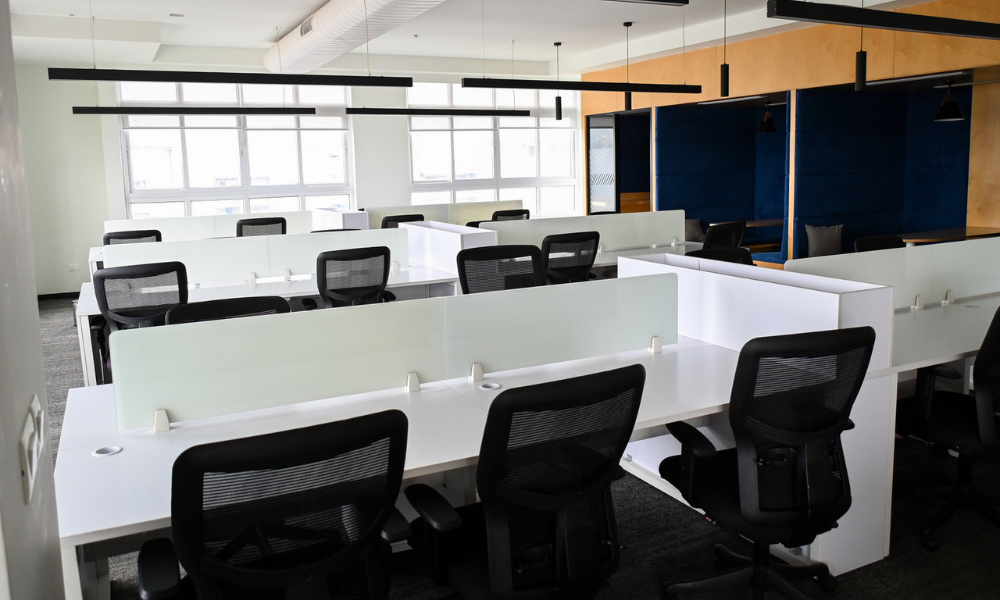
Managed offices are fully equipped and professionally managed workspaces designed around a company’s specific requirements. Unlike conventional office leases, where businesses handle everything from office setup to maintenance, managed office providers take care of these responsibilities while allowing organizations to customize the space according to their brand and operational needs.
A managed office space combines the flexibility of modern office options with the privacy and character of a traditional office. Businesses can customize layouts, meeting rooms, brand features, and workspace design while avoiding the burden of managing facilities themselves.
This model has become especially appealing for growing companies that need room to grow without committing to long-term real estate challenges. Instead of investing considerable time and money into office setup and management, teams can focus on business growth while enjoying a workspace designed to support productivity and collaboration.
What Is Typically Included in a Managed Office?
Most fully managed offices include:
- Office design and fit-out services
- Comfortable furniture
- High-speed internet and IT infrastructure
- Utilities and maintenance
- Reception and office support
- Security and access management
- Meeting and conference rooms
- Cleaning services
- Expansion and workspace planning support
The exact services may vary by provider, but the goal remains the same: creating a smooth work environment that allows businesses to operate efficiently from day one.
What Are Serviced Offices?
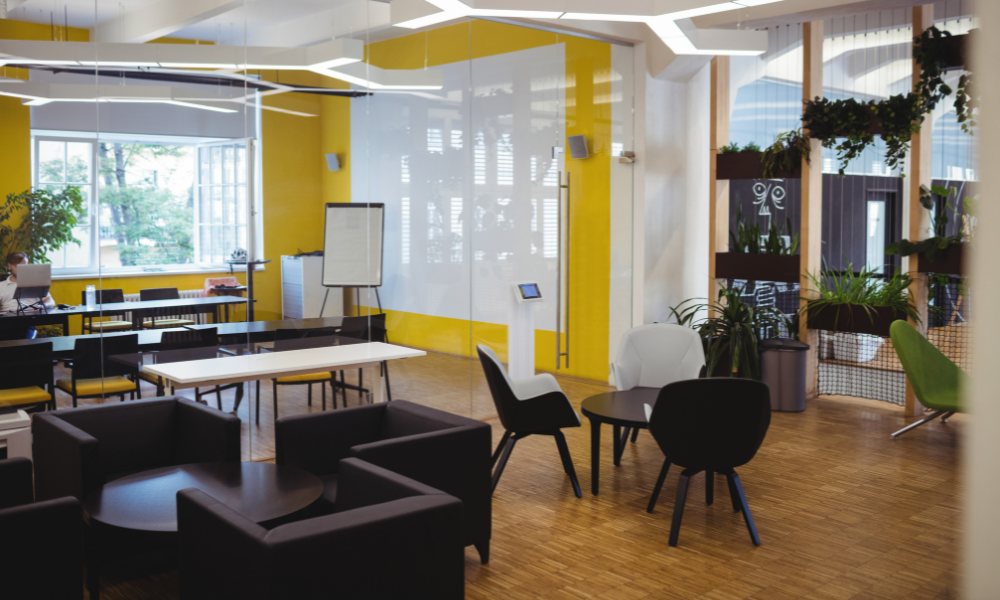
Serviced offices are ready-to-use workspaces that businesses can move into almost immediately. These spaces come fully furnished and include access to shared amenities such as meeting rooms, reception services, internet connectivity, and common areas.
The main advantage of a serviced office space is convenience. Businesses can avoid setup costs and long preparation periods while gaining access to a professional environment with minimal commitment.
Serviced offices are especially useful to freelancers, startups, consultants, and small teams that value flexibility and speed over major customization. Because these offices are typically shared within larger workspace environments, businesses benefit from a ready-to-use setup but often have limited control over branding and office design.
What Is Included in a Serviced Office?
A typical serviced office package may include:
- Fully furnished office space
- Internet and utilities
- Reception services
- Shared meeting rooms
- Kitchen and lounge access
- Cleaning and maintenance
- Mail handling
- Security services
For businesses that need immediate occupancy and predictable monthly costs, serviced offices offer a practical solution.
Managed Offices vs Serviced Offices: Key Differences at a Glance
Although both models offer flexibility, they are designed for different business priorities.
| Factor | Managed Offices | Serviced Offices |
| Customization | High | Limited |
| Branding | Fully customizable | Minimal branding options |
| Privacy | Dedicated workspace | Shared environment |
| Scalability | Strong expansion flexibility | Moderate flexibility |
| Setup Time | Customized implementation | Immediate move-in |
| Cost Structure | Tailored pricing | Fixed packages |
| Team Culture | Strong identity and culture building | Shared workspace atmosphere |
| Operational Management | Fully handled by provider | Fully handled by provider |
The biggest difference lies in customization and control. Managed offices provide a dedicated environment tailored to your organization, while serviced offices focus on convenience and immediate availability.
When Are Managed Offices the Better Choice?
Managed offices are often the preferred option for businesses with long-term growth plans and specific operational needs.
Growing Teams That Need Scalability
As businesses expand, workspace needs evolve. A company that starts with 20 employees may need room for 50 or more within a year. Managed offices provide the flexibility to scale without relocating or renegotiating complex leases.
Companies That Want Their Own Brand Identity
Workspaces often reflect company culture. Businesses that host clients, conduct meetings, or prioritize team engagement benefit from customized layouts, branded interiors, and dedicated environments that reinforce their identity.
Businesses Seeking Long-Term Operational Efficiency
Managing office infrastructure, maintenance, and facilities can consume valuable resources. Managed offices simplify these responsibilities, allowing leadership teams to focus on growth while ensuring a consistent workplace experience.
When Are Serviced Offices the Better Choice?
Serviced offices excel in situations where flexibility and speed are top priorities.
Early-Stage Startups
Young companies often need affordable office space solutions without large upfront costs. Serviced offices allow startups to establish a professional presence quickly while preserving capital for growth initiatives.
Project-Based Teams
Businesses operating temporary projects or contract-based assignments benefit from short-term workspace commitments and easy scalability.
Businesses Testing New Markets
Companies entering a new city or region may prefer serviced offices before making larger real estate commitments. This approach reduces risk while providing immediate operational capability.
Teams Needing Immediate Occupancy
When time is critical, serviced offices offer one of the fastest ways to establish a functioning workspace with minimal administrative effort.
Cost Considerations Beyond Monthly Rent
Workspace decisions should not be based solely on monthly rent. Understanding the total overall office costs often reveals a more accurate picture.
Hidden Costs in Traditional Offices
Traditional office leases frequently involve expenses such as:
- Interior fit-outs
- Furniture purchases
- Internet infrastructure
- Utility setup
- Ongoing maintenance
- Security systems
- Facility management
These costs can greatly increase the total cost required to operate a workspace.
Cost Structure of Managed Offices
Managed offices combine many running costs into a simpler setup. Businesses gain easier budgeting while avoiding large upfront expenses. Although monthly costs may appear higher initially, the overall value often includes infrastructure, support services, and facility management.
Cost Structure of Serviced Offices
Serviced offices provide simple pricing models with minimal setup costs. However, businesses should assess whether the available space, customization limitations, and shared amenities align with long-term operational needs.
Managed Offices vs Serviced Offices for Hybrid Work Models
Hybrid work has fundamentally changed expectations around work. Employees increasingly divide their time between home and office environments, requiring workspaces that support flexibility, collaboration, and wellbeing.
Managed offices often provide greater control over workspace design, allowing businesses to create environments optimized for hybrid schedules, team collaboration, and employee experience. Dedicated meeting spaces, flexible layouts, and personalised work zones can better support changing work styles.
Serviced offices remain valuable for smaller hybrid teams that prioritize flexibility and cost efficiency. However, organizations seeking deeper workplace customization may find managed office solutions more adaptable to long-term hybrid work goals.
Common Mistakes Businesses Make When Choosing Office Space
Choosing the wrong office setup can create unnecessary business challenges.
Choosing Based Only on Rent
The lowest monthly cost does not always represent the best value. Businesses should evaluate operational expenses, employee experience, and future scalability.
Ignoring Growth Plans
A workspace that works today may become limiting tomorrow. Planning for growth helps avoid costly relocations and disruptions.
Underestimating Employee Experience
Modern employees increasingly value comfort, collaboration, wellness, and office design. A thoughtfully designed office can positively influence productivity and retention.
Overlooking Workspace Culture
Office environments shape how teams interact and collaborate. Choosing a workspace that aligns with company culture can strengthen engagement and long-term performance.
How to Choose the Right Workspace Solution
The best workspace solution depends on your business goals.
Consider the following questions:
- How quickly is your team growing?
- Do you need a customized environment?
- How important is company branding?
- What level of privacy does your team need?
- How flexible must your workspace arrangement be?
- What is your long-term office budget?
Businesses focused on growth, customization, and unique workplace character often benefit from managed offices. Those seeking convenience, speed, and short-term flexibility may find serviced offices more suitable.
Why More Growing Businesses Are Choosing Fully Managed Offices
As workplace expectations change, many businesses are moving toward fully managed offices because they provide a balance between flexibility and control.
Businesses no longer want the hassle of managing office infrastructure, negotiating multiple vendor contracts, or handling day-to-day facility operations. Instead, they seek workspaces that support productivity, employee wellbeing, and future growth.
Managed office solutions allow businesses to create branded environments, accommodate changing team sizes, and deliver a professional workplace experience without operational complexity.
For businesses that value community, sustainability, flexibility, and thoughtful workplace design, managed office environments can provide a strong foundation for long-term success.
Frequently Asked Questions
What is the difference between managed offices and serviced offices?
Managed offices offer customized, dedicated workspaces tailored to a company’s needs, while serviced offices provide ready-to-use spaces with shared amenities and limited customization.
Are managed offices more expensive than serviced offices?
Not necessarily. While managed offices may have higher monthly costs, they often include infrastructure, facility management, and operational support that can reduce overall occupancy expenses.
What is included in fully managed offices?
Fully managed offices typically include workspace design, furniture, internet, utilities, maintenance, security, meeting rooms, and ongoing facility management.
Which workspace is best for startups?
Early-stage startups often benefit from serviced offices due to lower upfront costs and greater flexibility. Growing startups may eventually transition to managed offices as their needs become more complex.
Can managed offices support hybrid teams?
Yes. Managed offices can be customized to support hybrid work models through flexible layouts, collaboration spaces, meeting rooms, and workplace technology.
Conclusion
Choosing between managed offices and serviced offices ultimately comes down to your business priorities. If customization, scalability, and long-term workplace strategy matter most, managed offices can provide the flexibility and operational support needed for sustainable growth. If speed, convenience, and short-term flexibility are your primary concerns, serviced offices may be the better fit.
The right workspace is more than just a place to work. It is an environment that shapes productivity, collaboration, employee experience, and business growth. By evaluating your current needs and future goals, you can choose a workspace solution that supports both your team and your vision for the future.

Leave a Reply
You must be logged in to post a comment.