


Social Networking in the Workplace – Why It Is Important?
Introduction
Ever noticed how a single chat between coworkers can solve problems faster than a long meeting? Those small interactions often do more for teamwork and creativity than long meetings ever can. This is why social networking in the workplace plays a big role in helping people connect and work better together.
In today’s changing work world, people want more than a desk and a laptop. They look for a place where conversations feel natural, ideas flow freely, and teams feel comfortable with one another. Whether someone works in a corporate office, a hybrid setup, or a coworking space like The Yard, one thing stays the same. Human connections shape how we work every single day.
A workplace becomes truly productive, creative, and meaningful when people build real relationships with each other. Social networking is a big part of this, shaping how teams communicate, share ideas, and support one another.
Let’s explore why social networking is important in the workplace and how the right environment makes work better.
Why is Social Networking Important in the Workplace?
A 2024 academic study found that workplace friendships, combined with workplace well-being, have a positive and significant effect on employee productivity. Source: ResearchGate, 2024
This insight clearly supports why social networking is important in the workplace and why modern teams perform better when they feel connected. Work today is not only about tasks, tools and deadlines. It is also about people. When employees feel supported, comfortable and part of a community, they communicate better and deliver better outcomes. These social connections build trust, increase creativity and strengthen productivity across teams.
This is why workplace social networking has become essential for a positive, healthy work culture that supports trust, productivity, and creativity, especially in collaborative spaces like coworking environments where people meet, share ideas, and grow together through everyday interactions.
What Social Networking in the Workplace Really Means
Workplace social networking is the everyday flow of conversations, connections and small interactions that help people feel comfortable and supported at work. It also acts as a form of professional networking inside the office, helping people build meaningful work relationships. It includes the formal chats that happen in meetings and the relaxed moments during breaks. These interactions take place in offices, coworking spaces, hybrid setups, and remote teams, creating a natural sense of belonging for everyone.
These daily interactions spark collaboration, help teams share ideas with confidence, and make problem-solving easier. When people feel connected, creativity grows, and overall well-being improves across offices, coworking spaces, and remote environments.
Why Social Networking in the Workplace Matters in Today’s Workplace

Today’s workplaces clearly show why social networking is important in the workplace because communication and collaboration shape how teams work. When people stay connected, they share ideas more freely, solve problems with more confidence and feel a stronger sense of support. Research from trusted workplace experts also suggests that small, everyday conversations improve teamwork and help people stay engaged.
With remote work, busy schedules and long hours, human connection has become even more important for a positive and healthy work experience.
Builds Trust and Better Communication
Trust grows when employees interact frequently and feel comfortable speaking with one another.
• People share ideas more openly.
• Problems are solved faster.
• Misunderstandings reduce.
Example from The Yard
Members often meet during coffee breaks or at community events. These simple and friendly interactions make it easier for them to communicate and work together later on real projects. When people feel psychologically safe, they express themselves without hesitation.
Boosts Productivity and Team Performance
When people feel connected, they naturally support each other. Motivation increases, teamwork flows more smoothly, and projects move forward faster. These social relationships also help new members feel comfortable and settle in quickly, which strengthens overall team performance.
Reduces Stress and Workplace Isolation
Work can feel overwhelming at times. Social connections give emotional support that helps reduce stress and brings a sense of relief. This is especially important for freelancers and remote workers who often work alone and may not have regular in-person interactions.
Encourages Collaboration and Idea Sharing
Creative ideas often begin with simple conversations.
A small comment can spark a new direction.
People from different backgrounds share unique perspectives that inspire innovation.
These natural exchanges encourage fresh thinking and make the workplace feel more dynamic and welcoming.
Key Benefits of Social Networking in the Workplace
Social networking in the workplace improves communication and makes teamwork feel more natural and effective.
• Strong professional relationships
• Better team bonding
• Higher employee morale
• Faster problem-solving
• Supportive work culture
• Quick knowledge sharing
• Higher engagement levels
When people feel comfortable connecting at work, ideas flow, smoothly, and collaboration feels easier. It also helps employees feel valued, supported, and motivated throughout the day. These small daily interactions create a healthy work environment where communication feels natural and positive.
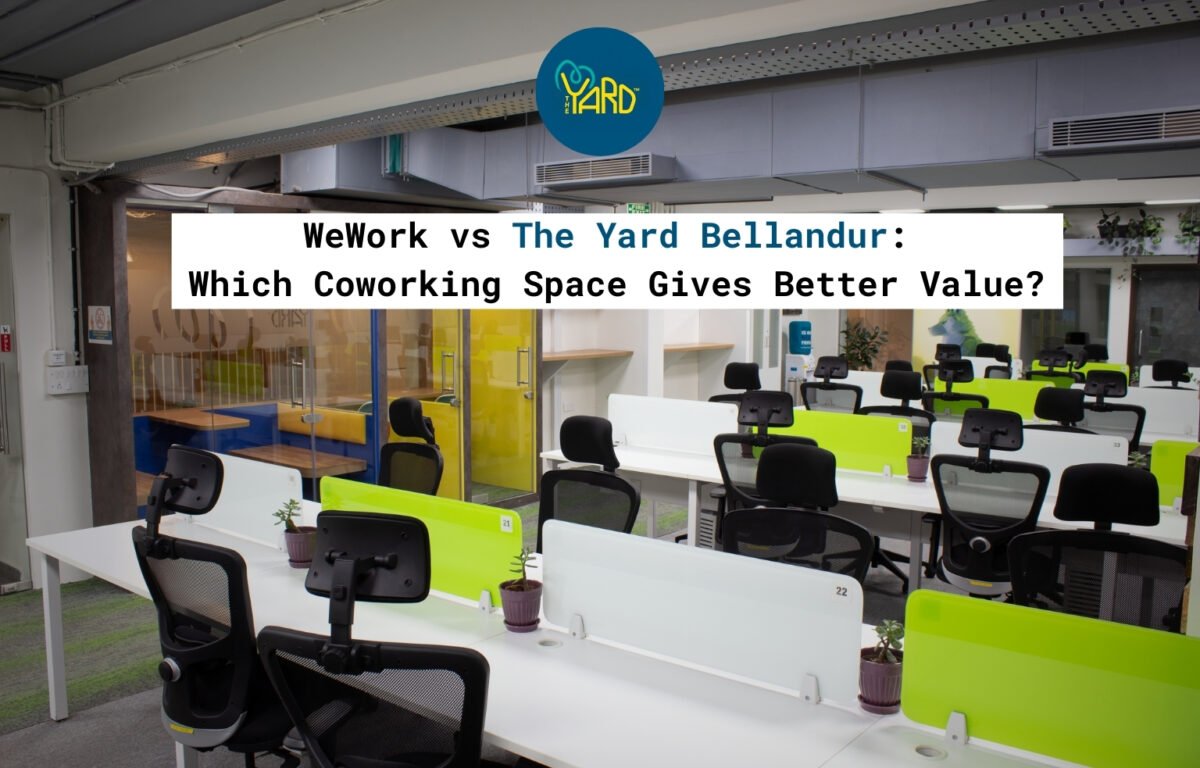
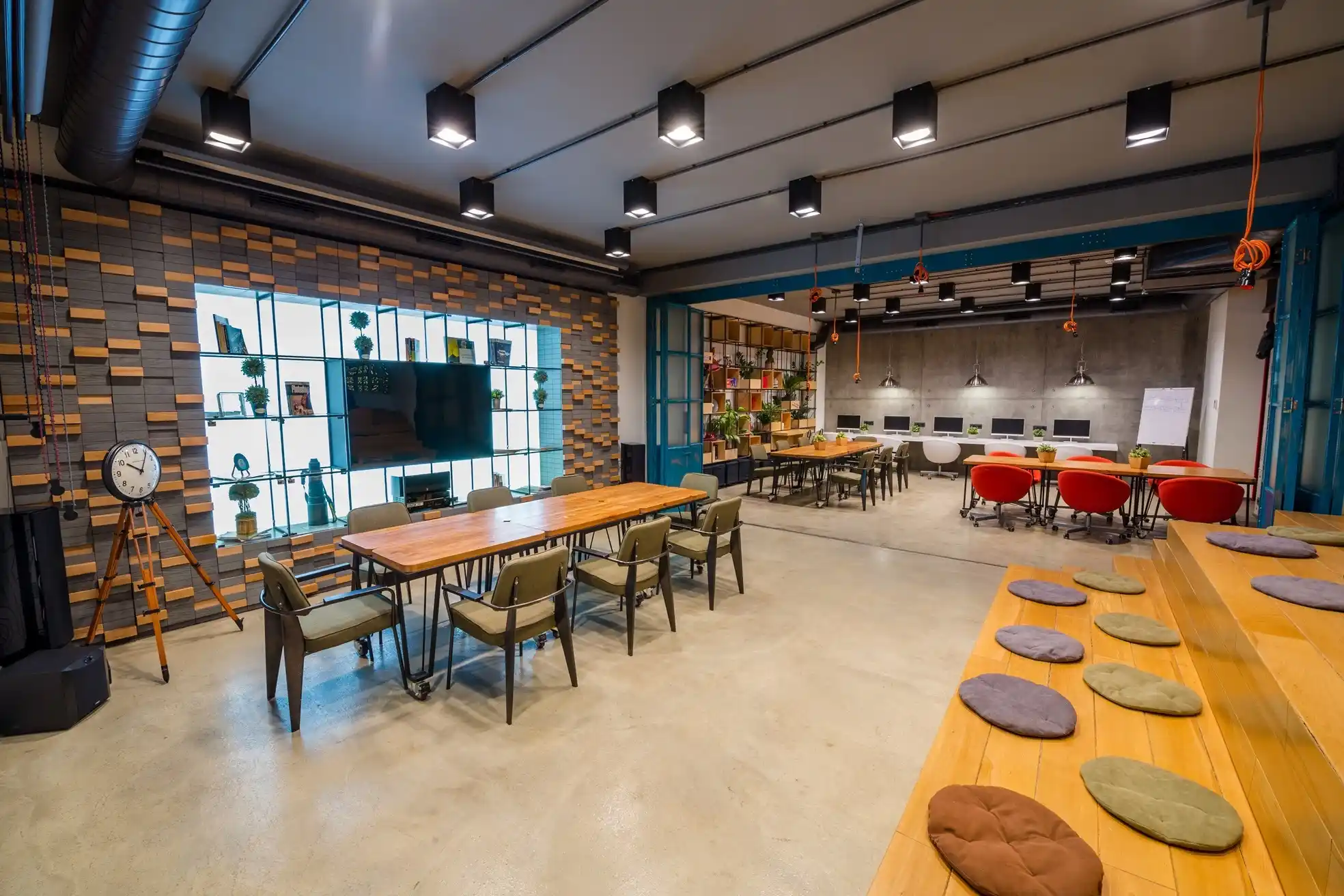
A coworking space like The Yard fosters these simple, meaningful connections through its open layout and community-friendly atmosphere. Members find it easier to start conversations, share ideas, and meet like-minded professionals in a relaxed setting. These natural moments contribute to a friendly and collaborative work experience.
If you want to work in a space that supports real human connection, you can explore The Yard and see how our community-focused design makes collaboration feel effortless.
How Social Networking Looks in Real Workplaces
In Coworking Spaces Like The Yard
In coworking spaces like The Yard, social interactions naturally occur because people from different fields share a creative environment.
• Coffee break chats often turn into meaningful professional collaborations
• Community events make it easy for members to connect and share ideas
• Open seating areas encourage quick conversations during the workday
• Cross-industry networking creates new opportunities for projects and partnerships
In Corporate Teams
In corporate teams, social networking grows through daily routines and teamwork activities that bring colleagues closer.
• Team lunches improve bonding and help coworkers feel comfortable with each other
• Collaboration meetings spark new ideas and reduce work delays
• Interdepartmental activities close communication gaps and help teams understand each other better
In Hybrid and Remote Teams
In hybrid and remote teams, workplace connections rely on intentional communication spaces that keep people engaged even when they work from different locations.
• Slack and Teams channels create daily spaces for conversations
• Virtual check-ins support social bonding and keep everyone aligned
• Online brainstorming sessions help teams share ideas freely
• Remote-friendly engagement games build trust and comfort
For Freelancers
For freelancers, social networking opens the door to support, learning and opportunities that make independent work easier and more enjoyable.
• Networking meetups introduce freelancers to potential collaborators
• Mentorship sessions help them learn new skills and grow faster
• Casual interactions often lead to project opportunities and client work
These small but consistent interactions across work environments help people feel connected, supported and confident, which strengthens workplace culture, improves team communication, boosts employee engagement, and supports stronger overall teamwork.
Social Networking and Employee Well-Being
Emotional Support in Daily Work
When employees feel supported, they handle challenges better and stay motivated throughout the day. Small moments of connection, even simple check-ins, make work feel lighter and help people stay calm and focused when things get busy.
Feeling Valued and Included
Connection builds a sense of belonging, and belonging naturally lifts morale in the workplace. When employees feel valued and included, they open up more easily and bring a positive, comfortable energy into their daily interactions.
Better Day-to-Day Work Experience
A connected workplace creates a smoother and more enjoyable work experience for everyone. When people feel comfortable communicating and sharing ideas, the day flows better, and work feels more balanced and pleasant.
What Happens When Social Networking Is Missing?
• Low morale – When people do not feel connected, their motivation drops, and work starts to feel heavy and less enjoyable.
• Miscommunication – Lack of regular interaction creates gaps in understanding and increases small mistakes that slow down progress.
• Higher isolation – Employees begin to feel alone in their work, which affects confidence and makes the workplace feel less supportive.
• Poor collaboration – Teams struggle to work smoothly together because they do not share ideas often or understand each other’s work style.
• Slow decision-making – When communication is weak, decisions take longer because people hesitate to speak up or share information openly.
These issues affect both performance and well-being and can make the overall work environment feel less positive and less productive.
How to Build Social Connections at Work: Practical Tips
Daily Micro-Actions
• Say hello each morning to create a warm and comfortable start to the day.
• Congratulate others on small wins because small appreciation builds stronger connections.
• Ask simple work-related questions to keep communication open and easy.
• Offer help when possible since small acts of support bring people closer.
Team Activities
• Weekly standups help everyone stay connected and aware of each other’s work.
• Team lunches create relaxed moments where people bond naturally.
• Skill-sharing sessions allow employees to learn from each other and interact more.
• Community events at coworking spaces bring people together in an enjoyable and friendly way.
Environment Matters
Creative spaces support natural networking by making people feel relaxed and open to conversations. This is why The Yard uses greenery, open layouts and community corners so that interactions happen comfortably and without effort.
Healthy Boundaries Matter
Social connections should feel natural, not forced, so people can interact in ways that feel comfortable to them. Respecting personal space and different comfort levels keeps every interaction healthy, positive and genuine.
Why Coworking Spaces Make Workplace Networking Easier
Community-First Design
Coworking spaces are designed to make it easy for people to talk, share and collaborate throughout the day. The open setup encourages natural conversations and helps members connect without effort.
Creative, Green Spaces That Spark Conversations
A calm environment with plants and an open layout makes people feel relaxed and comfortable. These creative spaces inspire casual interactions and help people open up more easily in their daily work routine.
Shared Events and Collaborative Energy
Workshops, mixers and informal meetups create friendly moments where people can interact and build strong networks. These shared activities bring a positive energy that encourages teamwork and meaningful connections.
FAQs
Why do employees need social connections at work?
Social connections help employees feel supported, motivated and comfortable in their work environment. This sense of connection improves performance, morale and overall well-being.
How does networking improve teamwork?
Networking builds trust and strengthens communication, which helps teams work together smoothly. It also supports faster problem-solving because people feel confident sharing ideas.
Does social bonding affect productivity?
Yes. When employees feel engaged and connected, they stay more focused and work more productively. Strong bonding encourages better collaboration during daily tasks.
What are examples of workplace social networking?
Examples include coffee chats, brainstorming sessions, team lunches, online conversation channels and community events in coworking spaces. These small interactions make teamwork easier.
How do coworking spaces improve professional relationships?
Coworking spaces bring people together through open layouts, shared events and common resources. This welcoming environment makes it easy for professionals to connect and build strong relationships.
Conclusion
Social networking is at the heart of a positive workplace because it helps people feel connected, supported and comfortable in their daily work. Strong relationships build trust, spark creativity and make teamwork smoother and more productive. When employees communicate openly, they enjoy a healthier work environment and stay motivated. In today’s fast-moving work culture, social networking in the workplace matters more than ever because real human connection creates a strong foundation for success.
Experience a workspace where collaboration comes naturally. Visit The Yard and discover how the community can transform your workday.

Leave a Reply
You must be logged in to post a comment.