


Why Implement a Buddy System Within a Coworking Space?
Introduction
Research shows that remote workers often struggle with human connection. A global workplace survey found that around 25% of fully remote employees report daily loneliness compared to around 16% of onsite workers. Source: Forbes
Many freelancers, founders, and remote employees feel this silently. They join coworking spaces hoping to feel connected, but the first few days can still feel confusing or lonely.
A buddy system within a coworking space solves this by giving every new member a friendly start and someone to guide them from day one, improving coworking onboarding.
In this article, you will learn how a buddy system within a coworking space reduces isolation and builds real community. You will also see easy steps, real examples, and a simple checklist you can use right away, all designed to help you understand the full value of a Buddy System within a Coworking Space.
How a Buddy System Within a Coworking Space Creates Real Connection?
Coworking spaces are built for community, yet many people still walk in on their first day feeling unsure, alone, or disconnected. This is why implementing a buddy system within a coworking space is becoming a powerful strategy. It builds trust, connection, and collaboration from day one.
A buddy system is simple but meaningful; it pairs two members so one can guide the other during their early days. This helps new joiners understand the space, meet people faster, and settle in comfortably to improve member onboarding and long term member engagement.
At spaces like The Yard, this kind of support gives every new member a warmer, smoother start and strengthens the overall community experience.
What Is a Buddy System Within a Coworking Space?
A buddy system in a coworking space pairs a new member with someone who already understands the space, the culture, and the flow of daily work. For the first few weeks, the buddy helps them adjust, introduces them to others, and offers practical support.
What makes it special in coworking is the diversity, because every member comes from a different background, so this small connection creates an instant sense of belonging in a shared, flexible workspace.
The buddy acts as a friendly guide who can answer questions about everything from booking meeting rooms to finding the best coffee spot nearby. This simple pairing reduces the intimidation of walking into a bustling space alone and helps new members feel confident and connected from day one. Over time, many of these initial buddy relationships grow into lasting professional friendships and collaborations.
Benefits of a Buddy System Within a Coworking Space

Coworking spaces naturally bring people together, but not everyone forms connections right away. For freelancers, remote workers, and founders working alone, the first few days can feel overwhelming. A buddy system makes onboarding easier, warmer, and more human, helping every new member feel supported from day one.
1. Helps People Feel Less Isolated
Many independent professionals choose coworking to escape loneliness. Yet even in a community space, people may feel shy or disconnected. A buddy offers:
• A familiar face
• Small daily conversations
• Help navigating routines
• Emotional comfort
Gallup data shows that employees who have strong social ties at work are up to seven times more likely to be engaged in their job, compared to those who feel isolated. (Source: Gallup – Why Having a Best Friend at Work Is Important)
When a coworking space strengthens relationships through a buddy system, the overall energy and well-being naturally rise.
2. Makes Collaboration Easier and More Natural
Collaboration is the heart of coworking. People share ideas, swap skills, and build projects together, but these interactions grow only when members feel safe and connected. A study by MIT Senseable City Lab showed that remote-work shutdown led to a 38% drop in ‘weak ties’, which are casual cross-team links that drive creativity and collaboration, and this highlights how important informal interactions are for team performance. Source: MIT News A buddy encourages these moments to happen early and naturally, which is one of the strongest benefits of a buddy system within a coworking space.
3. Builds a Supportive Work Culture
Every coworking space has its own rhythm. There are work zones, quiet areas, chill-out corners, community guidelines, and event calendars. A buddy becomes the new member’s guide, helping them understand:
• Where to sit
• How to book meeting rooms
• How community events work
• What the cultural norms areHow coworking community building happens naturally
This support removes confusion and builds confidence.
4. Encourages Faster Personal & Professional Growth
Coworking brings people from many industries together: design, tech, marketing, consulting, writing, and more. With a buddy system:
• Members discover new skills
• Learn faster
• Exchange helpful feedback
• Build cross industry networks that support coworking community building.
Exposure to diverse experiences leads to better thinking, more creativity, and improved problem-solving.
Why a Buddy System Works Even Better in Coworking Than in Traditional Offices?
In a company office, new employees meet HR, join onboarding sessions, and work with established teams. Coworking spaces do not follow that structure. Every person is independent, which means:
• No team-based onboarding
• No fixed mentor
• No built-in introduction circle
This is where structured onboarding becomes essential for new members. It makes a buddy system even more valuable, especially as part of a Buddy System within a Coworking Space, because it fills the support gap and makes the community feel more inclusive and human-centred.
How a Buddy System Improves the Coworking Experience?
Here are simple, coworking-aligned advantages you get from a Buddy System within a Coworking Space, especially when building engagement and connection.
1. Smoother Onboarding for New Members
New members settle faster when someone shows them around and helps them understand the workspace. A buddy makes the first week feel friendly instead of confusing.
2. Boosts Networking Without Pressure
Not everyone is naturally outgoing. A buddy helps break the initial barrier by introducing them to others and easing social anxiety.
3. Strengthens Engagement and Participation
Members who know someone are more likely to:
• Join events
• Attend workshops
• Participate in skill-sharing sessions
This increases overall community involvement.
4. Improves Well-Being and Motivation
Human connection is a core part of workplace well-being. A friendly check-in, a quick chat, or a small moment of support can reduce stress and make members feel cared for.
5. Encourages Cross-Industry Connections
Coworking thrives on diversity. A buddy system helps create matchups like:
• Designer + Startup founder
• Tech developer + Marketing consultant
• Freelancer + Mentor
These combinations lead to creativity, new ideas, and unexpected collaboration.
How to Build an Effective Buddy System Within a Coworking Space?
A successful buddy system does not need to be complex. It simply needs structure and intention.
Step 1: Match Members Thoughtfully
When building a Buddy System within a Coworking Space, match members thoughtfully.
Match based on:
• Work style
• Availability
• Comfort level
• Industry interest
People bond best when their rhythms align.
Step 2: Set Clear, Simple Expectations
A buddy system should feel light and friendly. Keep expectations short:
• 2–3 check-ins in the first week
• Weekly touchpoints for a month
• Quick space walk-throughs
• Introductions to community groups
Step 3: Provide Conversation Starters & Guides
Give both members a mini orientation guide with:
• Icebreakers
• Quick tips
• Event suggestions
This removes awkwardness.
Step 4: Include Touchpoints During the First Month
Small, simple touchpoints create comfort and build routine. In a coworking environment, these moments help new members feel included without effort. These touchpoints can be:
• A welcome coffee in week one
• A short coworking walk-through
• Sitting together at the community lunch table
• Introducing them to one or two peers with similar interests
These small actions set a foundation of trust and belonging, which is exactly what modern coworking members look for.
Step 5: Review, Rotate, and Celebrate the Experience
A buddy system improves over time when the community team listens to feedback. After the first month:
• Ask both buddies about their experience
• Understand what worked well
• Identify areas to improve
• Share positive stories in newsletters or on the community wall
Every few months, rotating buddies exposes members to new people, new industries, and new collaboration opportunities. Celebrating good buddy matches also motivates others to join.
How a Buddy System Works Inside a Coworking Space?
To understand why implementing a buddy system within a coworking space is helpful, it helps to see what it looks like in real-life situations. Here are simple, relatable examples.
Example 1: Freelancer Joining a New City

Imagine a freelance designer who has just moved to Bangalore. They enter The Yard feeling excited but nervous. Their buddy greets them, shows them the layout, explains how meeting rooms work, and introduces them to two friendly faces. They immediately feel safer and more grounded in a new environment. Within a week, they join a skill-sharing session and meet people with similar interests. That one connection becomes their anchor.
Example 2: A Startup Team Entering a Shared Office
A small startup joins a coworking space but isn’t sure how things work. Their buddy walks them through community norms, how to book spaces, how to use quiet zones, and which events help networking. Because of this support, the team integrates smoothly without disturbing others or feeling confused. This also reduces pressure on the workspace manager.
Example 3: Remote Worker Rebuilding Routine
A remote tech professional feels isolated after months of working alone at home. When they join the coworking space, their buddy becomes their daily check-in person. A simple “How’s your day going?” or “Want to join the lunch table?” helps rebuild their social routine. Slowly, they feel motivated, connected, and creatively inspired again.
What Makes The Yard’s Environment Ideal for a Buddy System?
The Yard’s layout and atmosphere make it an ideal space for a Buddy System within a Coworking Space, supporting natural connection and comfort.
Coworking culture works best when the environment feels warm, supportive, and creative. The Yard naturally encourages human connection through its design and community approach.
Community-First Layout
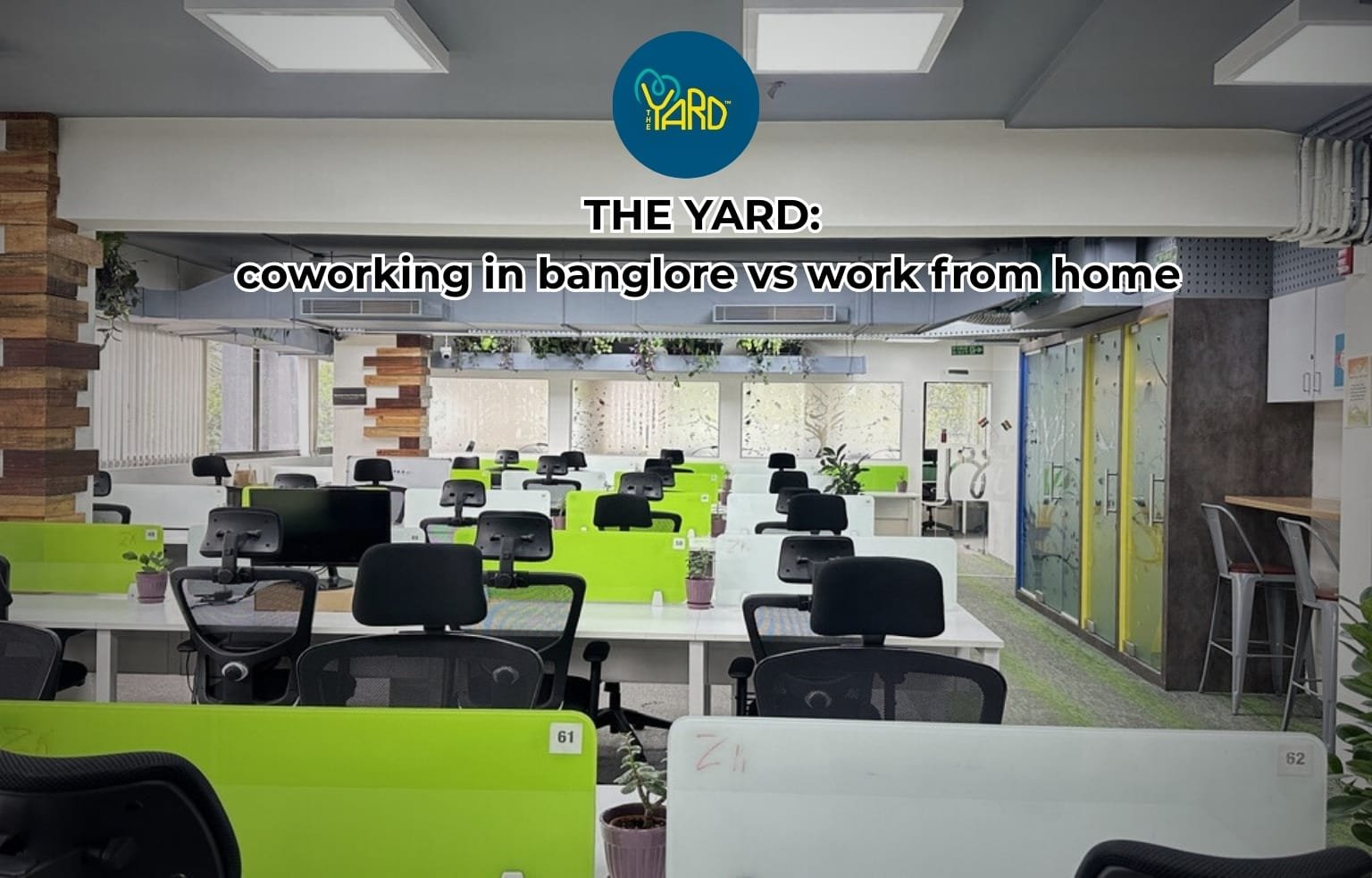
The Yard features open seating, green corners, and collaborative zones. These spaces naturally encourage people to talk, share ideas, and feel part of a community. Members feel more open and connected than in traditional offices.
Natural Opportunities for Interaction
At The Yard, members find:
• Community events
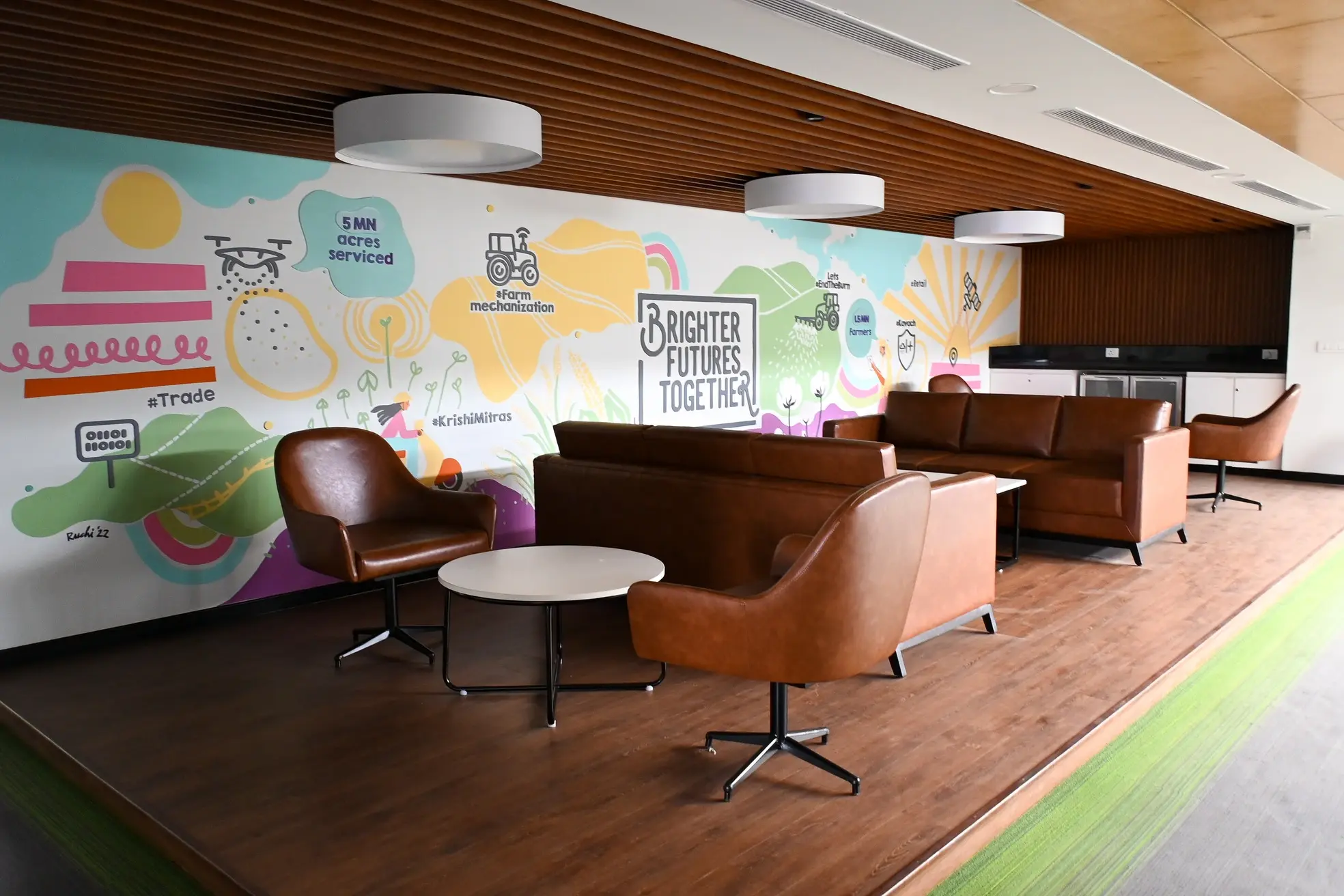
• Open lounges
• Creative breakout corners
• Relaxed meetups
• Quiet work spots
These spaces help buddies interact casually instead of forcing conversations.
Visit The Yard to experience how a welcoming environment makes coworking feel more human and connected.
Eco-Friendly, Calm Vibe Encourages Connection
The Yard’s greenery and calm atmosphere make people feel relaxed and open. When people feel grounded, they connect more easily. This emotional comfort supports the buddy system perfectly.
Simple Checklist to Implement a Buddy System Within a Coworking Space
Here is a quick, snippet-optimised checklist for managers who want to implement a buddy system within a coworking space:
➥ Pair new members with a buddy within 24 hours
➥ Create a simple “buddy guide” with expectations
➥ Encourage a 15-minute weekly chat to drive member engagement
➥ Organise one buddy meetup every month
➥ Collect feedback after the first month using a short form or quick call
➥ Rotate buddies every 2–3 months for fresh connections
This checklist works for coworking spaces of all sizes, whether you host 20 members or 200.
Frequently Asked Questions
A buddy system pairs new members with existing members so they can settle in easily, feel welcomed, and learn how the workspace functions.
Yes. Introverts often find it hard to join conversations. A buddy provides a gentle, low-pressure path to build comfort and confidence.
When people feel safe and connected, they share ideas more freely. This naturally leads to better teamwork, faster problem-solving, and more creative ideas.
Absolutely. Freelancers benefit the most because they often join coworking spaces to escape loneliness and find community.
Yes. Teams understand community norms faster, and individuals get social support. The system adapts easily to all member types.
Final Thoughts
A buddy system creates a strong foundation for connection, belonging, and support in coworking environments. It eases onboarding, strengthens engagement, reduces isolation, and helps members grow both personally and professionally. Most importantly, it transforms a workspace into a community.
Coworking is no longer just about desks and Wi-Fi; it is about people. When people feel supported from day one, everything becomes easier: collaboration, motivation, and creativity.
Discover how The Yard builds connection through a Buddy System within a Coworking Space and creates a community where support and collaboration grow naturally. Visit The Yard to experience it yourself.
Please subscribe to our social channels for updates related to coworking, community events, and member experiences.
Linkedin: The Yard Coworking Space
Instagram: Theyardcoworking
Facebook: The Yard

Leave a Reply
You must be logged in to post a comment.