

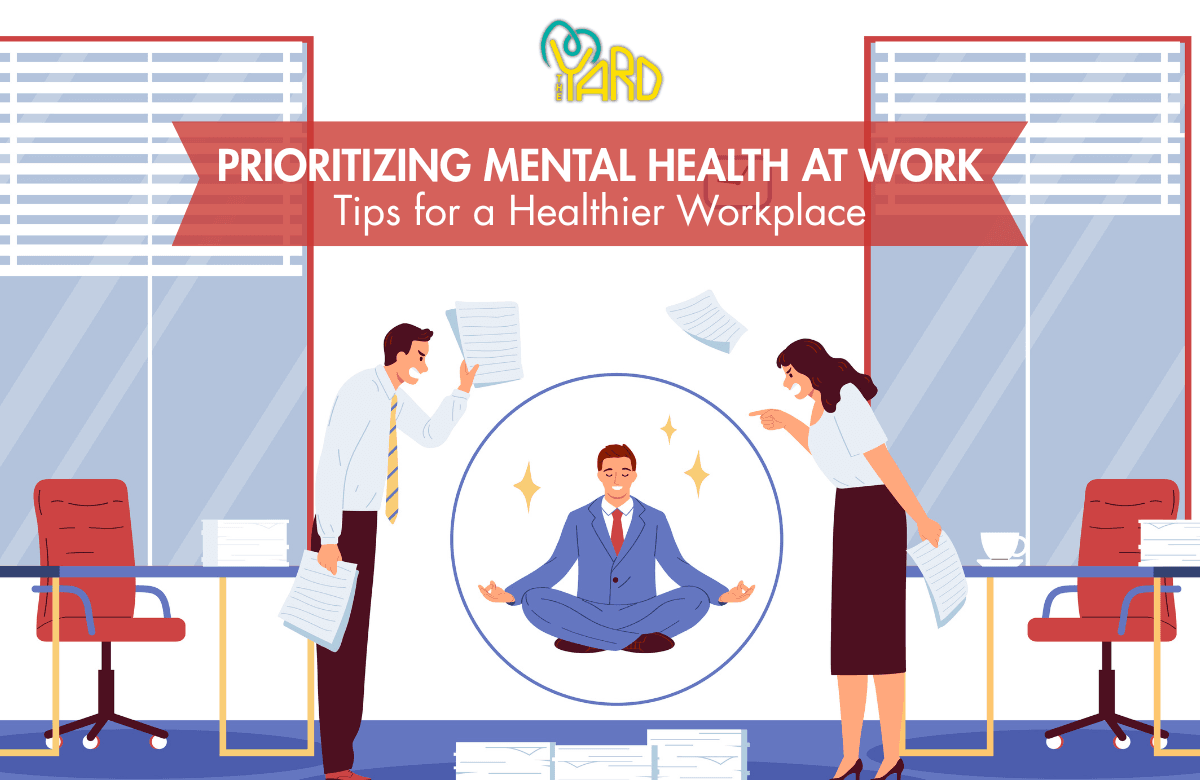
Prioritizing Mental Health at Work: Tips for a Healthier Workplace
Introduction
Have you noticed how even small changes at work can shift the way your whole day feels? Prioritizing Mental Health at Work shows how small habits can completely improve your workday experience. More people are now realising that the way we feel at work shapes our energy, motivation, and overall workplace mental health. When our mind feels good and supported, we think better, work better, and talk better with others. This is why mental wellbeing is not optional anymore. It has become an important part of a healthy workplace. Let’s explore how prioritizing mental health can transform the way we work.
Why Prioritizing Mental Health at Work Matters Today?
Workplace mental health refers to how your daily environment, workload, culture, and interactions influence your emotional and psychological state. This balance also supports long-term employee wellbeing and reduces unnecessary work stress. When they don’t, stress quickly turns into burnout. Your work environment also plays a direct role in mental wellbeing. Light, air, noise levels, and even workspace layout can influence how calm, focused, or stressed you feel during the day.
Today, burnout rates are rising worldwide. Surveys also show growing emotional fatigue among professionals due to long work hours, pressure-heavy roles, and unclear boundaries. In 2019, the World Health Organization included burnout in ICD-11 as an occupational phenomenon, describing it as a syndrome caused by chronic workplace stress, with key features such as exhaustion, mental distance from work, and reduced efficacy. Source: WHO Newsroom, 28 May 2019. This means burnout happens when workplace stress continues for a long time. It leads to extreme tiredness, feeling disconnected from work, and lower performance.
A healthier work culture starts with awareness. When workplaces support mental wellbeing, productivity improves, people feel more connected, and teams stay resilient.
Quick Summary
Mental health at work is shaped by your environment, workload, culture, and daily habits. When these parts work in harmony, stress lowers and wellbeing improves. All these factors play a major role in overall workplace mental health.
How Your Work Environment Influences Mental Wellbeing at Work?
The Psychology of Workspace Design
Your workspace has a quiet but powerful impact on how you feel. Light, air, noise, and layout shape your stress levels more than most people expect.
- Bright natural light boosts mood and improves alertness.
- Fresh air helps focus and reduces fatigue.
- Calm, low-noise layouts help you think clearly and avoid overwhelm.
Studies show that nature and greenery inside workspaces lower stress and improve concentration. In contrast, dark, cluttered, and closed spaces often increase tension, tiredness, and frustration.
Thoughtful design makes work feel lighter and more manageable. These design choices are also a simple, practical way of prioritizing mental health at work because they shape how calm, supported, and focused people feel each day. This also supports better mental wellness at work by creating calming surroundings.
Coworking Spaces and Their Role in Prioritizing Mental Health at Work
Coworking spaces offer more than desks. Their design and community structure naturally support emotional wellbeing.
- Built-in community reduces isolation
- Flexible seating allows comfort-based choices
- Natural light and open layouts lower stress
- Social energy improves motivation and creativity
Example: The Yard’s wellness-focused design
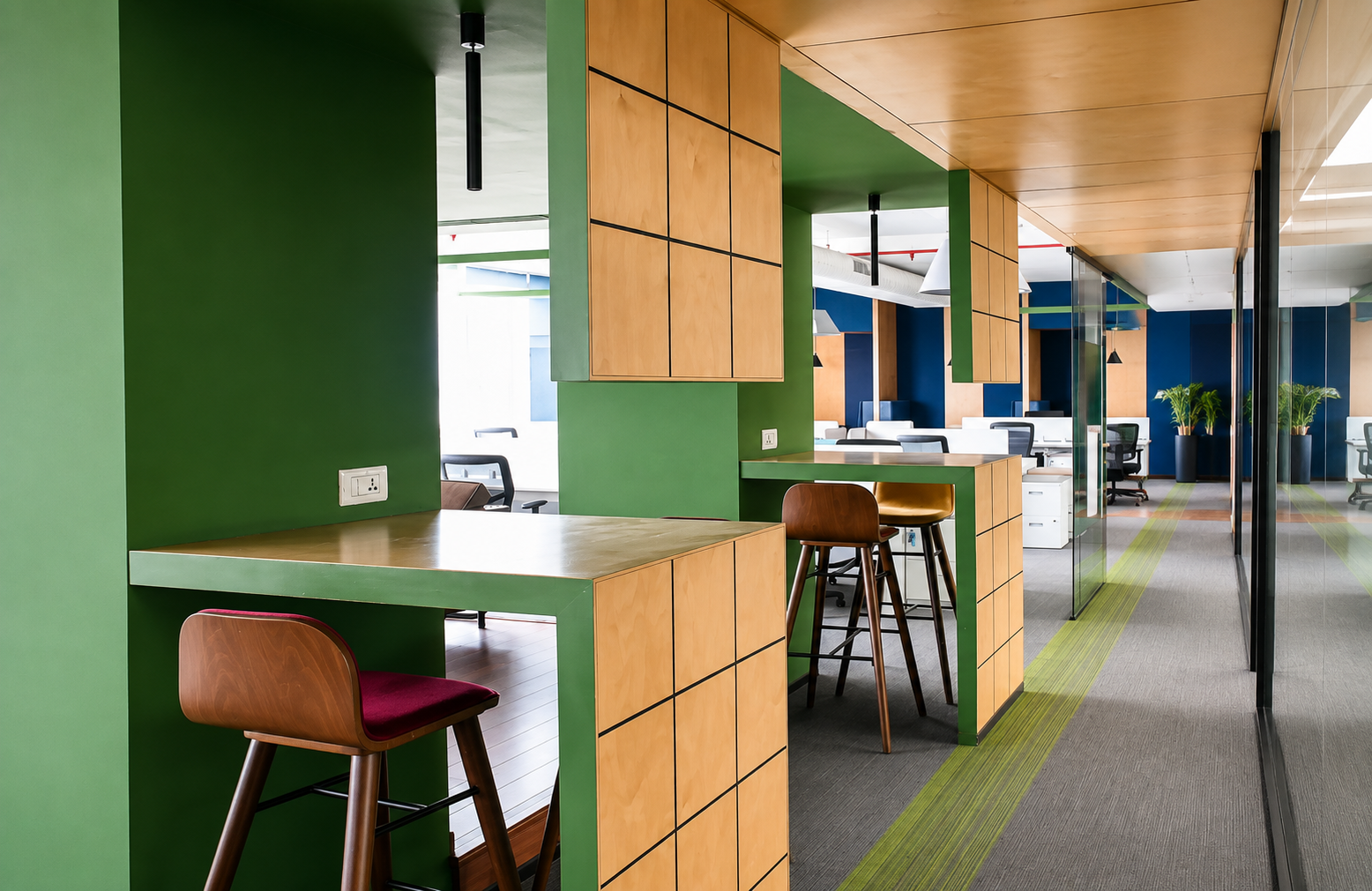
The Yard uses greenery, natural light, and purposeful layouts to create an uplifting atmosphere. Professionals feel connected, calm, and supported, especially freelancers who often miss social interaction.
Simple, Science-Backed Tips for Prioritizing Mental Health at Work
These small everyday habits are one of the easiest ways of prioritizing mental health at work.
1. Create a Healthy Work Rhythm
How you plan your day influences your mental clarity. Break cycles prevent fatigue from building up by giving your brain short recovery moments before stress turns into exhaustion.
- Use Pomodoro (25 minutes focus, 5 minutes rest)
- Try micro-breaks every hour
- Rotate between light and heavy tasks
- Avoid long, unbroken screen time
These small habits reduce cognitive load and help your mind reset, making it easier to stay focused and mentally fresh throughout the workday instead of feeling drained by midday.
2. Build Mindful Work Habits
Mindfulness doesn’t need a full routine. Just a few seconds of intention can reset your energy.
- Take short breath-reset pauses
- Go for a quick 2–3 minute walk
- Stretch your wrists, neck, and shoulders at your desk
These tiny practices reduce tension and help your body stay in balance.
3. Organize Your Workspace for Calm
A cluttered space creates a cluttered mind. Small changes make your desk feel lighter and more peaceful.
- Clear unnecessary items
- Add a personal touch, like a photo or small object
- Use plants or warm lighting to create softness
Your workspace becomes a place that supports, not drains, your focus.
4. Set Boundaries to Reduce Overwhelm
Many professionals struggle because they take on more than they can carry.
- Communicate workload limits honestly
- Create message boundaries after work hours
- Reduce unnecessary notifications
Boundaries act as emotional protection. They give your mind space to rest.
5. Use Coworking Community Support
Coworking spaces encourage natural interactions that boost emotional wellbeing.
- Social breaks help reduce isolation
- Peer learning builds confidence
- Community events improve morale
For freelancers and remote workers, community support is one of the strongest mental health tools available.
Daily Wellbeing Routine to Support Mental Health at Work
Here is a simple, coworking-friendly wellbeing routine you can follow every day.
Morning
- 2 minutes of grounding or deep breathing
- Natural light exposure before work
Through the Day
- Break every 60–90 minutes
- Hydration reminders
- Midday movement or walk
End of Day
- “Mental off switch” ritual: list what’s done, note tomorrow’s first task
- Step away from devices for a short decompressing moment
A routine like this brings structure, energy, and balance.
How Employers Can Support Prioritizing Mental Health at Work?
Build Psychological Safety
Psychological safety means people feel comfortable speaking up without fear.
- Encourage open communication
- Avoid a blame-based culture
- Create safe spaces for honest conversations
When employees feel supported, they perform better and stay emotionally healthy.
Create Wellness-Friendly Spaces
Workplace design plays a major role in emotional wellbeing.
- Add greenery and daylight
- Provide ergonomic furniture
- Reduce noise and create calm corners
This is why The Yard invests in natural light, plants, and comfortable layouts, because supportive spaces lead to healthier, happier workdays.
Signs of Burnout You Should Not Ignore at Work
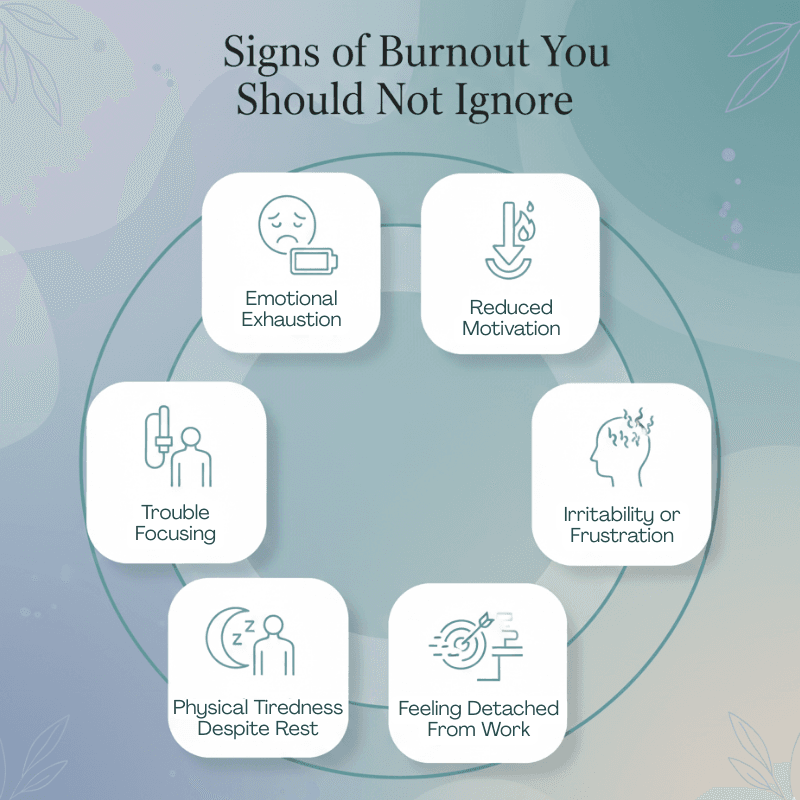
Burnout is not sudden. It builds slowly. Early recognition helps prevent deeper mental strain. Recognizing these early signs is an important part of Prioritizing Mental Health at Work.
Common signs include:
- Emotional exhaustion
- Reduced motivation
- Irritability or frustration
- Physical tiredness despite rest
- Trouble focusing
- Feeling detached from work
Early burnout signs include emotional fatigue, low motivation, irritability, and persistent tiredness.
When to Seek Professional Help for Mental Health at Work?
Self-care helps, but some situations need professional guidance.
Reach out if you experience:
- Long-lasting sadness or anxiety
- Inability to focus even after rest
- Sleep disturbances for more than a few weeks
- Strong emotional overwhelm
- Withdrawal from people or activities
There is strength in asking for help early. Support creates clarity, relief, and direction.
FAQs
Take regular breaks, organize your workspace, use breath resets, set boundaries, and build mindful habits.
Light, air, noise, and layout affect mood, energy, and stress levels. A supportive environment makes work feel easier.
Yes. Their community, flexible design, natural light, and social energy help reduce isolation and improve mood.
By promoting psychological safety, offering balanced workloads, and creating wellness-friendly spaces.
Yes. Prioritizing Mental Health at Work improves focus, reduces work stress, and helps people stay energized throughout the day. When employees feel supported emotionally, their productivity, creativity, and decision-making naturally get better.
Final Thoughts on Prioritizing Mental Health at Work
Prioritizing Mental Health at Work doesn’t require big changes or expensive programs. It starts with small habits, better breaks, mindful pauses, calm spaces, and supportive conversations that slowly build emotional strength over time. When people feel mentally safe and supported, their confidence grows, stress feels manageable, and work no longer feels like constant pressure.
A workplace that truly focuses on mental wellbeing allows people to think clearly, communicate better, and stay consistent without burning out. Over time, prioritizing mental health at work leads to better focus, healthier relationships, and long-term productivity. It also helps individuals feel more in control of their time, energy, and emotions during the workday.
When people feel cared for, workplaces become more balanced, creative, and resilient. Mental health support is no longer a “nice to have” feature. It is a basic foundation for sustainable work and personal wellbeing.
Want to work in a space that supports your wellbeing?
Explore how The Yard’s greenery, natural light, ergonomic design, and community-driven culture help professionals work with more balance.
Visit The Yard, book a tour, and experience how an urban oasis can transform the way you work.
Linkedin: The Yard Coworking Space
Instagram: Theyardcoworking
Facebook: The Yard

Leave a Reply
You must be logged in to post a comment.