

Is Your Startup Ready to Leave Coworking? 7 Signs It’s Time for Your Own Office
Your startup may have outgrown its coworking space, but does that mean it’s time to rent an entire office? Not necessarily.
Coworking spaces offer startups a convenient way to work without worrying about furniture, internet, maintenance or long-term rental agreements. They provide the flexibility businesses need during their early stages, especially when team sizes and operational requirements are still changing.
However, as a business grows, its workspace requirements begin to evolve. More employees, confidential meetings, frequent client interactions and the need for greater operational control can make a shared workspace feel restrictive.
Knowing when to move from coworking to your own office is therefore an important business decision. It involves more than finding additional desks. Founders must consider financial readiness, team requirements, workplace culture and future growth plans.
Here are seven signs that can help you decide whether your startup is ready for its own office and what alternatives are worth considering before making the move.
7 Signs Your Startup Has Outgrown Its Coworking Space
Outgrowing a coworking space does not happen overnight. It usually becomes apparent through small, recurring challenges that gradually affect everyday operations.
Here are seven signs that your current workspace may no longer meet your business needs.
1. Your Team Has Outgrown Its Available Workspace
One of the earliest signs is difficulty accommodating your growing team.
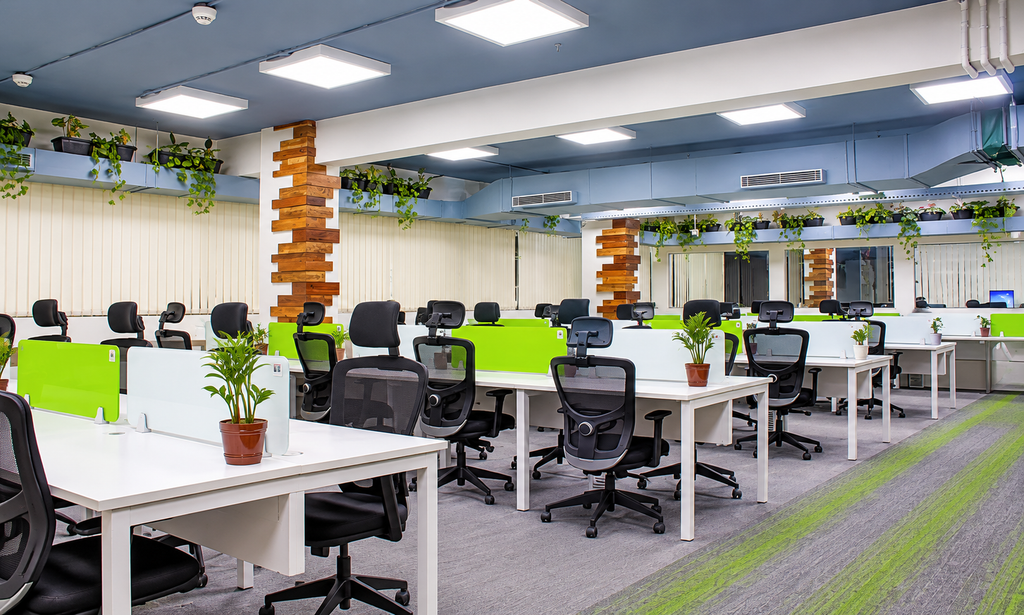
A coworking membership that worked perfectly for five employees may become less practical when your business expands to 15 or 20 people. Finding enough seats, coordinating schedules and ensuring everyone has a comfortable place to work can become increasingly difficult.
This is particularly relevant for startups with departments that need to collaborate regularly. Sales teams may need dedicated discussion areas, while developers or creative teams may require quieter environments for focused work.
However, a growing headcount does not automatically mean you need an independent office. A larger private cabin, multiple cabins or a dedicated workspace may provide sufficient room without requiring a traditional lease.
The important question is whether your current arrangement can comfortably support your team’s actual attendance and hiring plans.
2. Privacy Has Become a Business Priority
Shared workspaces encourage interaction, but not every business conversation belongs in a shared environment.
As startups grow, they often handle more sensitive information, including financial discussions, client contracts, employee records, recruitment decisions and investor conversations.
Having these discussions in an open coworking area can create unnecessary privacy concerns. Even when meeting rooms are available, constantly booking them for confidential conversations may become inconvenient.
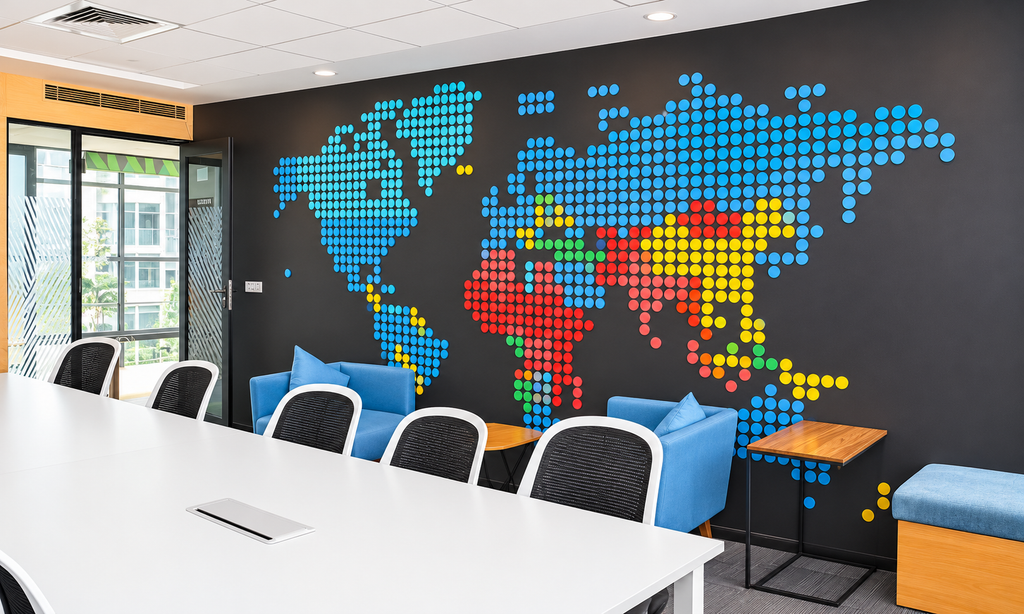
A private office can provide a more controlled environment for internal discussions, client meetings and everyday operations.
It is also important to remember that physical privacy and information security are different. Businesses handling sensitive information still need appropriate device security, access controls and data protection practices.
If confidentiality has become a regular requirement rather than an occasional consideration, it may be time to explore a more dedicated workspace.
3. Meeting Room Limitations Are Affecting Work
Meeting rooms are an important part of any professional workspace. However, shared facilities can become difficult to manage when your team depends on them every day.
Consider a startup that regularly conducts client presentations, recruitment interviews, project reviews and internal strategy meetings. If meeting rooms are frequently unavailable, employees may have to rearrange their schedules or find alternative locations.
This can interrupt workflows and make everyday coordination unnecessarily complicated.
The problem becomes more noticeable when teams have frequent video calls or require dedicated spaces for presentations and discussions.
Before deciding to move, assess how often meeting room availability creates genuine disruption. If the problem occurs occasionally, booking facilities in advance may be enough. If it happens regularly, a private office with dedicated meeting facilities could be a more practical solution.
4. Your Brand Needs a More Distinct Identity
As a startup establishes itself, its workspace can become an extension of its brand identity.
A dedicated environment gives businesses greater opportunities to reflect their values, working style and company culture through interior design, layouts, branding and collaborative spaces.
This can be particularly useful for agencies, consulting firms and businesses that regularly host clients or business partners.
A thoughtfully designed workspace can also help employees feel more connected to the organisation. Dedicated collaboration areas, informal discussion spaces and comfortable workstations can support a stronger sense of belonging.
However, having a traditional office is not a requirement for building a professional brand. A well-designed private cabin within a coworking facility can also provide a consistent environment for employees and visitors.
The decision should depend on whether a more distinct workspace genuinely improves your team’s experience and business operations.
5. Workspace Costs Are Becoming Harder to Justify
Cost is one of the most important factors when deciding whether to move from coworking to your own office.
Coworking memberships generally bundle several facilities into one payment. Depending on the arrangement, this may include furniture, internet, housekeeping, electricity and access to common areas.
An independent office, on the other hand, involves several additional expenses that are easy to overlook when comparing rental prices.
These may include:
- Commercial office rent and security deposits.
- Brokerage and agreement-related expenses.
- Furniture and interior fit-outs.
- Internet and electricity bills.
- Housekeeping and maintenance.
- Security and facility management.
- Repairs and ongoing operational expenses.
For example, a traditional office may appear cheaper when comparing only its monthly rent with the combined coworking membership fees of your employees. However, once setup costs, maintenance and utilities are included, the overall expense may be considerably higher.
A useful approach is to compare the total cost of occupancy over the same 12, 24 or 36-month period. Also consider the cost per employee and how much of the available office space will actually be used.
If your current coworking arrangement is becoming expensive, explore larger private cabins or managed offices before committing to an independent property.
For a detailed breakdown of the expenses involved, read our guide on The Yard vs Traditional Office Lease: Real Cost Comparison for a 10-Person Team.
6. Your Operations Need Greater Control
Growing businesses often develop operational requirements that were not important during their early stages.
For example, a technology company may need dedicated equipment storage, controlled access to certain areas or specialised IT infrastructure. A creative agency may want separate spaces for client discussions, editing and team collaboration.
Shared workspaces can accommodate many of these needs, but their facilities and customisation options depend on the provider.
A dedicated office can offer greater control over:
- Employee and visitor access.
- Workspace layouts and seating arrangements.
- Equipment storage and IT infrastructure.
- Internal operational processes.
- Working schedules and office usage.
However, greater control also brings greater responsibility. Businesses may need to manage maintenance, facility services, internet arrangements and everyday office administration themselves.
Before moving, identify which operational limitations genuinely affect your business. A managed office may provide the infrastructure and flexibility you need without requiring you to handle every aspect of office management.
7. Your Growth Plans Have Become More Predictable
A growing team is exciting, but expansion should be supported by realistic financial and operational planning.
Renting an independent office is a significant commitment. Before making that decision, consider whether your revenue, hiring plans and expected workspace requirements are sufficiently predictable.
For example, a startup with stable recurring revenue and a clear hiring plan may be better positioned to commit to a dedicated office than a business still experimenting with its product or revenue model.
Consider the following questions:
- Can your business comfortably manage fixed monthly office expenses?
- Do you have a realistic 12-month hiring forecast?
- Will employees regularly use the available office space?
- Can you manage the security deposit and initial setup expenses?
- Are your business requirements likely to remain consistent?
Avoid renting a larger office simply because you expect your team to double. Plans can change, and unused office space can become an unnecessary financial burden.
A workspace decision should support sustainable business growth rather than create pressure to grow faster.
Does Outgrowing Coworking Mean You Need a Traditional Office?
Not every startup that outgrows its current coworking arrangement needs to rent an independent commercial property.
There are several workspace options between shared desks and a conventional office lease. The right choice depends on your team’s size, privacy requirements, budget and operational responsibilities.
Private Office vs Managed Office vs Traditional Lease
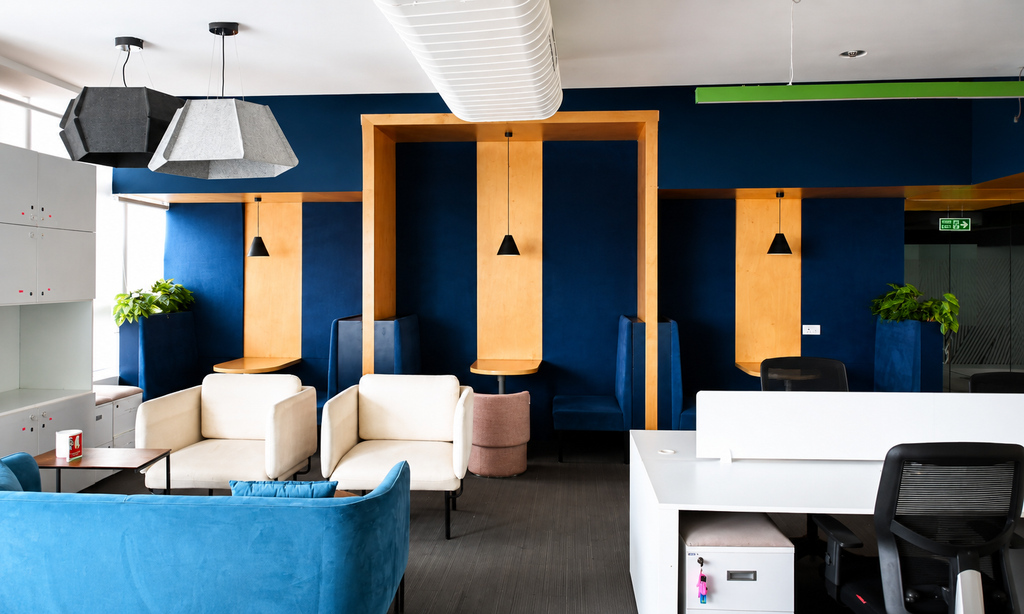
Private office: A private office within a coworking facility provides a dedicated space for your team while allowing you to use shared facilities such as meeting rooms, reception areas and common spaces. It is suitable for businesses that need privacy without managing an entire office.
Managed office: A managed office offers a dedicated workspace with infrastructure and services generally handled by an operator. Depending on the agreement, this may include furniture, internet, maintenance and facility management.
Traditional lease: Renting an independent commercial office provides greater control over the premises, including layout, branding and infrastructure. However, the business is generally responsible for fit-outs, utilities, maintenance and other operational requirements.
| Factor | Private Office | Managed Office | Traditional Lease |
| Privacy | Dedicated private area | Dedicated company workspace | Full premises |
| Setup | Usually furnished | Generally operator-managed | Company-managed |
| Infrastructure | Shared facilities | Agreed facilities and services | Independently arranged |
| Customisation | Limited | Depends on agreement | Greater flexibility |
| Maintenance | Generally provider-managed | Usually operator-managed | Company-managed |
| Commitment | Depends on provider | Depends on agreement | Generally longer-term |
The important thing is to choose a workspace that solves your current problems without creating unnecessary responsibilities.
What to Evaluate Before Making the Move
Once you recognise the signs, take time to evaluate whether changing your workspace arrangement makes financial and operational sense.
Calculate the Total Cost, Not Just the Monthly Rent
Compare all expenses associated with coworking and independent office arrangements. Include deposits, fit-outs, maintenance, utilities, furniture and ongoing services. A lower quoted rent does not necessarily mean lower overall costs.
Review Your Hiring and Occupancy Forecast
Estimate how many employees will regularly work from the office. Consider hybrid schedules, expected recruitment and the amount of space required for different activities. Avoid paying for capacity your business may not use.
Understand the Lease and Exit Terms
Before signing a commercial agreement, review its lock-in period, notice requirements, security deposit refund conditions, rent escalation clauses and maintenance responsibilities. Also check any restoration obligations when leaving the premises. Consider professional legal review before committing.
Consider Location and Employee Commute
In a city like Bengaluru, location can significantly influence the everyday working experience. Consider proximity to employees, clients, public transport, metro connectivity, parking and essential amenities. A workspace that is difficult to reach can affect attendance and employee satisfaction.
If you’re looking for a convenient workspace in Bengaluru, explore The Yard’s Indiranagar workspace or The Yard’s Bellandur workspace to find a location that suits your team.
Evaluate Workplace Well-Being and Sustainability
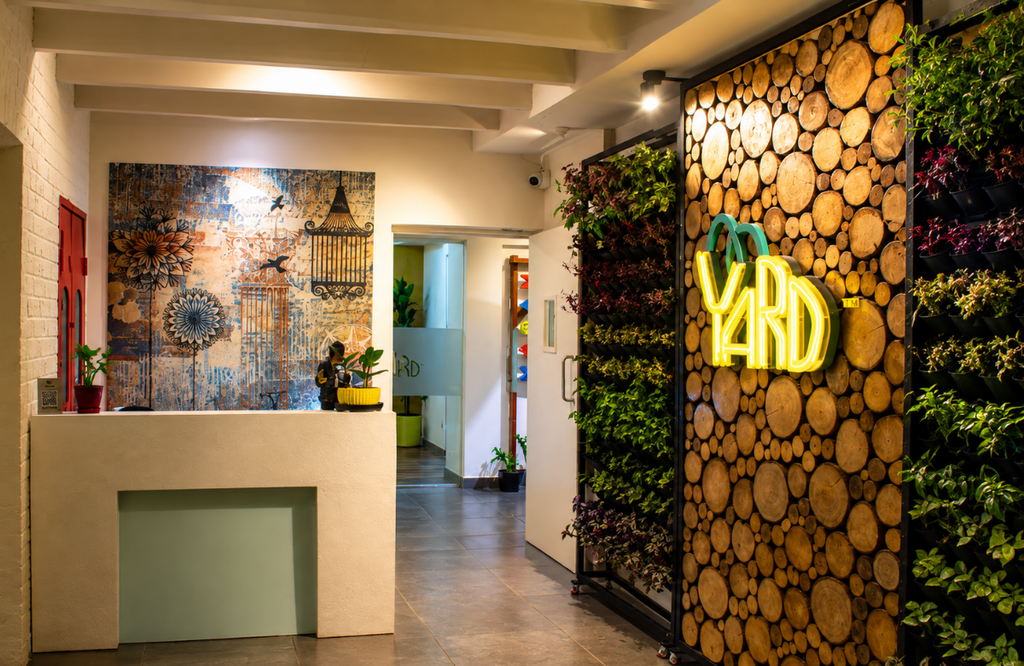
An office should support employees, not simply accommodate them. Look for natural light, ventilation, ergonomic furniture, comfortable workstations, green spaces and breakout areas.
Sustainable design also deserves attention. Energy-efficient infrastructure, greenery and responsible resource management can contribute to a healthier and more thoughtful working environment.
These considerations are especially important when choosing a workspace that your team will use regularly.
Choose a Workspace That Grows With Your Business
Knowing when to move from coworking to your own office requires looking beyond team size or the idea of having a permanent business address.
Privacy, meeting room availability, operational requirements, financial readiness and employee experience all play a role in determining whether your current workspace still works for your business.
More importantly, moving into an independent office is not the only way to support growth. Private cabins and managed office arrangements can provide additional space, flexibility and dedicated facilities without the responsibilities of managing an entire commercial property.
At The Yard, the focus is on creating thoughtfully designed workspaces where productivity, community and well-being come together. With private cabins, dedicated desks, meeting facilities and sustainability-led design, businesses can explore workspace arrangements that suit their evolving requirements.
Explore The Yard and find a workspace that grows alongside your team.
Frequently Asked Questions
1. When should a startup move out of a coworking space?
A startup should consider moving when its current workspace consistently fails to meet its requirements for team capacity, privacy, meeting facilities or operational control. Financial readiness and predictable hiring plans should also influence the decision.
2. Is a private office better than a coworking space?
A private office offers greater privacy and a dedicated environment for employees. Coworking spaces provide flexibility, shared facilities and networking opportunities. The better option depends on your team’s working style, budget and business requirements.
3. How much does it cost to move into your own office in India?
The cost depends on the city, location, office size and property type. Businesses should account for monthly rent, security deposits, brokerage, furniture, fit-outs, utilities, maintenance and other operational expenses before deciding.
4. Is a managed office better than a traditional office lease?
A managed office can be suitable for businesses that want dedicated space with infrastructure and facility services handled by an operator. A traditional lease offers greater control but generally involves more setup and maintenance responsibilities. The right choice depends on the company’s needs and agreement terms.
5. Can a startup outgrow coworking without renting its own office?
Yes. A startup can upgrade to a private cabin, multiple dedicated workspaces or a managed office. These arrangements can provide greater privacy and room for collaboration without requiring the business to take on an independent commercial lease.

Leave a Reply
You must be logged in to post a comment.