


Corporate Giants in Coworking Spaces: What This Shift Means for the Future of Work
Introduction
What if the office of the future isn’t owned by corporations, but shared by them? It may sound surprising, but it is becoming rather common . As businesses rethink how and where work happens, many large organizations are moving away from rigid office models and adopting more flexible workplace strategies. This shift has brought corporate coworking spaces into the spotlight, turning them from startup hubs into enterprise-ready work environments.
The workplace has changed significantly over the past few years. Hybrid work, distributed teams, and rising real estate costs have led companies to question whether traditional offices still meet their changing needs. At the same time, employees expect greater flexibility, better work-life balance, and workplaces that support collaboration without sacrificing well-being.
This article explains why corporate giants are embracing coworking spaces, the business value behind this trend, and what it means for the future of work. Whether you’re a workplace strategist, HR leader, founder, or business owner, understanding this shift can help you make more informed decisions about your organization’s workplace strategy.
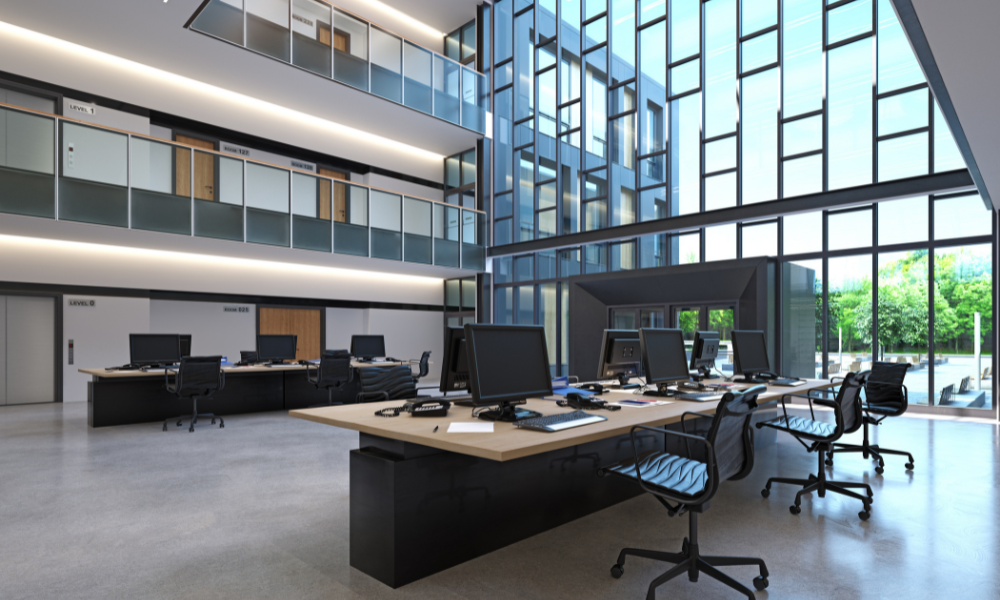
Why Traditional Corporate Offices No Longer Meet Modern Business Needs
For decades, long-term office leases were seen as a symbol of stability and business success. Large headquarters gave companies a long-term presence, supported growing teams, and represented the company’s identity. Today, however, the way people work has changed far faster than the spaces designed to support them.
Hybrid work has become a standard way of working across many industries. Employees now split their time between home, client sites, and the office, leaving many traditional workplaces underused for significant portions of the week. Maintaining large office spaces that remain partially empty is becoming increasingly difficult to justify from both financial and business perspectives.
As a result, many organizations are considering corporate coworking spaces as an alternative to traditional office models. Flexible workspaces allow businesses to adjust office space as teams grow, relocate, or work across multiple cities without being tied to long lease agreements.
Employee expectations have also evolved. Professionals now value workplaces that are accessible, well- designed, and supportive of collaboration and well-being. Companies are realising that workplace experience plays an important role in attracting and retaining employees, making flexibility just as important as location.
Rather than replacing traditional offices entirely, flexible workspaces are becoming an important part of broader enterprise workspace strategies that focus on business flexibility and employee happiness.
Why Corporate Giants Are Moving Into Coworking Spaces
The growing use of coworking spaces by enterprises is driven by more than convenience. Large organizations are using flexible workspaces as strategic business resources that support growth, innovation, and employee flexibility.
Greater Operational Flexibility
Business needs can change quickly. New projects begin, teams expand into new regions, and market conditions evolve. Flexible workspaces give companies the ability to scale office space up or down without the challenge of changing long-term leases.
For organizations operating across multiple cities, satellite offices within coworking spaces also help employees work closer to where they live, reducing commute times while maintaining access to professional workspaces.
Faster Expansion With Lower Risk
Opening a permanent office in a new market requires major investment and long-term commitment. Coworking spaces allow enterprises to set up in a new market much faster while keeping financial risk under control.
Many companies use flexible workspaces to support regional sales teams, test new markets, or accommodate temporary project teams before deciding whether permanent offices are necessary. This approach enables faster expansion while maintaining business flexibility.
Better Employee Experience
Today’s professionals expect more than desks and meeting rooms. They value workplaces that encourage collaboration, support wellness, and create opportunities to connect with colleagues and industry peers.
Modern coworking spaces often include thoughtfully designed work environments, wellness-focused facilities, breakout areas, networking events, and flexible workspace options. These features help create a more engaging employee experience while supporting productivity and collaboration.
For hybrid employees, having access to professional offices closer to home can also reduce commuting stress and improve work-life balance.
Smarter Financial Planning
Although cost savings often receive the most attention, the financial advantages of coworking go beyond reducing rent.
Flexible workspace models shift many office expenses from upfront investments to predictable monthly costs. Businesses avoid large upfront spending on office fit-outs, furniture, maintenance, and facility management while gaining greater flexibility to change workspace needs as business needs evolve.
This financial stability is especially valuable during periods of growth, reorganisation, or uncertain economic conditions.

Industries Leading the Enterprise Coworking Movement
The move toward enterprise coworking is happening across a wide range of industries, but the reasons vary depending on operational needs and workforce structures.
Technology and SaaS companies often use coworking spaces to support teams working from different locations and expand faster into new markets. Their need for flexibility fits naturally with agile business models.
Consulting firms benefit from having professional workspaces in multiple cities where consultants can meet clients or collaborate with project teams without having permanent offices in every location.
Financial technology companies and enterprise service providers are increasingly using coworking spaces to support hybrid teams while maintaining secure, fully equipped office environments.
Creative agencies value collaborative workspaces that encourage sharing ideas, client interaction, and cross-functional teamwork. Access to a vibrant professional community can also create valuable networking and partnership opportunities.
Healthcare technology companies, education technology businesses, and enterprise sales teams also benefit from flexible office solutions that allow employees to work efficiently across different regions while offering a consistent work environment.
Across these industries, one common factor stands out: organizations are no longer viewing office space simply as a physical location. Instead, they see it as a strategic resource that supports collaboration, innovation, employee experience, and long-term growth.
Beyond Cost: The Strategic Business Value of Coworking
While cost efficiency is often the first advantage associated with coworking, it is far from the only reason enterprises are making the shift. Today’s organizations are evaluating workplaces based on how well they support business objectives, employee satisfaction, innovation, and long-term resilience. For many, corporate coworking spaces deliver value that extends well beyond financial savings.
Talent Attraction & Retention
The modern workforce expects flexibility, purpose, and a positive workplace experience. Employees, particularly younger professionals, are increasingly drawn to organizations that invest in environments supporting collaboration, creativity, and well-being rather than simply providing desks.
A thoughtfully designed coworking space helps create that experience. Comfortable work areas, wellness-focused amenities, collaborative zones, and opportunities to connect with professionals from different industries contribute to a workplace people genuinely enjoy. This can strengthen employee engagement and support talent attraction and retention in a competitive hiring market.
Innovation Through Community
Innovation often happens when people with diverse perspectives interact. Unlike traditional offices that primarily bring together employees from one organization, coworking environments foster connections between startups, consultants, freelancers, enterprise teams, investors, and creators.
These everyday interactions can spark new ideas, partnerships, and fresh approaches to problem-solving. Enterprise teams benefit from being part of a broader innovation ecosystem while still maintaining dedicated spaces for focused work and confidential discussions.
For organizations seeking to stay competitive in rapidly changing industries, this collaborative environment can become a valuable strategic advantage.
Sustainability & ESG Alignment
Sustainability has become an important priority for many businesses, not only from an environmental perspective but also as part of broader Environmental, Social, and Governance (ESG) commitments.
Shared workspaces naturally encourage more efficient use of resources by reducing duplicated infrastructure, optimizing energy consumption, and making better use of existing buildings. Many premium coworking operators also incorporate sustainable design, energy-efficient systems, natural lighting, waste reduction initiatives, and eco-conscious materials into their workspaces.
Choosing flexible office solutions can therefore contribute to an organization’s sustainability goals while providing employees with healthier, more thoughtfully designed workplaces.
Business Continuity & Agility
Business conditions rarely remain static. Companies may experience rapid growth, mergers, acquisitions, restructuring, or changing market demands. Traditional office leases often make responding to these changes slow and expensive.
Coworking spaces offer the flexibility to scale teams, establish temporary offices, or expand into new regions without significant operational disruption. This agility helps businesses remain resilient during periods of uncertainty while supporting faster decision-making and more efficient resource allocation.
Rather than viewing flexibility as a short-term benefit, many enterprises now see it as a core element of long-term business continuity planning.

How Coworking Fits the Future of Hybrid Work
Hybrid work is no longer a temporary response to changing circumstances. For many organizations, it has become a permanent part of workplace strategy.
Instead of requiring employees to commute to a central headquarters every day, businesses are adopting more flexible models that combine home offices, headquarters, and corporate coworking spaces. This approach allows employees to choose work environments that best support their productivity while maintaining opportunities for in-person collaboration.
Many organizations are also implementing hub-and-spoke workplace models. In this structure, a central office is complemented by smaller satellite workspaces located closer to where employees live. Coworking spaces are well suited to this model because they provide ready-to-use infrastructure without requiring companies to establish permanent offices in every location.
This evolution reflects a broader shift in workplace philosophy. Success is no longer measured by how many people occupy an office every day, but by how effectively teams collaborate, innovate, and achieve business outcomes.
As technology continues to support distributed work, flexible workspaces are likely to become an increasingly important part of enterprise workplace portfolios.
What Enterprises Should Look for in a Coworking Partner
Choosing the right coworking provider requires more than comparing locations or pricing. Enterprise organizations should evaluate whether a workspace can support their long-term operational, cultural, and business objectives.
Enterprise-Grade Infrastructure
A coworking space should offer reliable, business-ready infrastructure, including high-speed internet, secure networks, private meeting rooms, enterprise-level security, IT support, and professional reception services.
These features ensure teams can work efficiently while maintaining business continuity and data security.
Scalability Across Team Sizes
Business needs change over time. A suitable coworking partner should be able to accommodate everything from small project teams to larger departments without requiring companies to relocate repeatedly.
Scalable workspace options provide the flexibility needed for expansion, restructuring, or project-based growth.
Community That Supports Business Growth
One of coworking’s greatest strengths is its community. Regular networking events, workshops, knowledge-sharing sessions, and opportunities to connect with professionals across industries create value beyond the physical workspace.
For enterprise teams, these interactions can lead to partnerships, recruitment opportunities, and fresh business ideas.
Sustainable & Employee-Centric Design
Workspace design has a direct impact on employee experience. Natural lighting, ergonomic furniture, wellness areas, green spaces, and thoughtfully planned collaborative zones contribute to healthier, more productive workplaces.
Organizations increasingly recognize that investing in employee well-being supports engagement, creativity, and long-term performance.
Why Modern Enterprises Are Choosing Spaces Like The Yard
As workplace expectations continue to evolve, organizations are looking for environments that combine flexibility with professionalism. They need workspaces that support productivity while also encouraging collaboration, innovation, and employee well-being.
This is where thoughtfully designed coworking spaces such as The Yard reflect the direction modern work is heading.
Rather than focusing solely on providing office space, The Yard emphasizes creating a workplace ecosystem where businesses of different sizes can thrive. Flexible workspace options, enterprise-ready infrastructure, community-driven experiences, and sustainable design principles help create an environment that supports both organizational goals and employee satisfaction.
Its focus on wellness, eco-conscious practices, and meaningful workplace experiences aligns with the priorities many enterprises now consider essential when selecting flexible office solutions.
Instead of replacing a company’s identity, spaces like The Yard complement it by providing adaptable environments where teams can collaborate, grow, and perform at their best.
The Future of Corporate Workspaces
The future of work is unlikely to revolve around a single office model. Instead, businesses will continue building workplace strategies that combine headquarters, remote work, satellite offices, and flexible workspaces.
As organizations prioritize agility, employee experience, sustainability, and innovation, corporate coworking spaces are expected to become an integral part of enterprise real estate strategies rather than a temporary alternative.
Advances in workplace technology, AI-powered office management, and data-driven space utilization will further support this transformation. Companies will increasingly evaluate offices based on the value they create for employees and business performance rather than simply the amount of space they occupy.
The organizations that adapt successfully will be those that design workplace strategies around flexibility, collaboration, and long-term resilience.
Conclusion
The growing presence of enterprises in coworking spaces signals a broader transformation in how organizations think about work. Flexible workspaces are no longer viewed as an option exclusively for startups or freelancers. They have become strategic assets that help businesses scale efficiently, support hybrid teams, improve employee experience, and respond more effectively to changing market conditions.
While traditional offices will continue to serve important purposes, they are increasingly being complemented by more agile workplace models that prioritize collaboration, flexibility, and sustainability.
For organizations exploring the future of work, corporate coworking spaces offer an opportunity to build workplaces that are not only more adaptable but also better aligned with the expectations of today’s workforce. Thoughtfully designed environments like The Yard demonstrate how flexibility, community, and employee well-being can come together to support sustainable business growth.
Frequently Asked Questions
1. Why are corporate coworking spaces becoming popular among large companies?
Large organizations are adopting corporate coworking spaces because they provide flexibility, support hybrid work, reduce long-term real estate commitments, and improve employee experience while allowing businesses to scale more efficiently.
2. Are coworking spaces suitable for enterprise teams?
Yes. Many modern coworking providers offer enterprise-grade infrastructure, private offices, secure networks, meeting rooms, and scalable workspace solutions designed specifically for large teams and growing organizations.
3. How do coworking spaces support hybrid work?
Coworking spaces enable employees to work closer to home while maintaining access to professional office environments. They also support hub-and-spoke workplace strategies by providing flexible satellite offices across multiple locations.
4. What should businesses consider before choosing a coworking space?
Organizations should evaluate infrastructure, security, scalability, location, workplace design, community opportunities, sustainability initiatives, and the provider’s ability to support long-term business growth.
5. What does the future of corporate coworking spaces look like?
As hybrid work continues to evolve, corporate coworking spaces are expected to become a permanent part of enterprise workplace strategies. Businesses will increasingly use them alongside traditional headquarters to create flexible, employee-centric work environments that support productivity, collaboration, and resilience.


Leave a Reply
You must be logged in to post a comment.